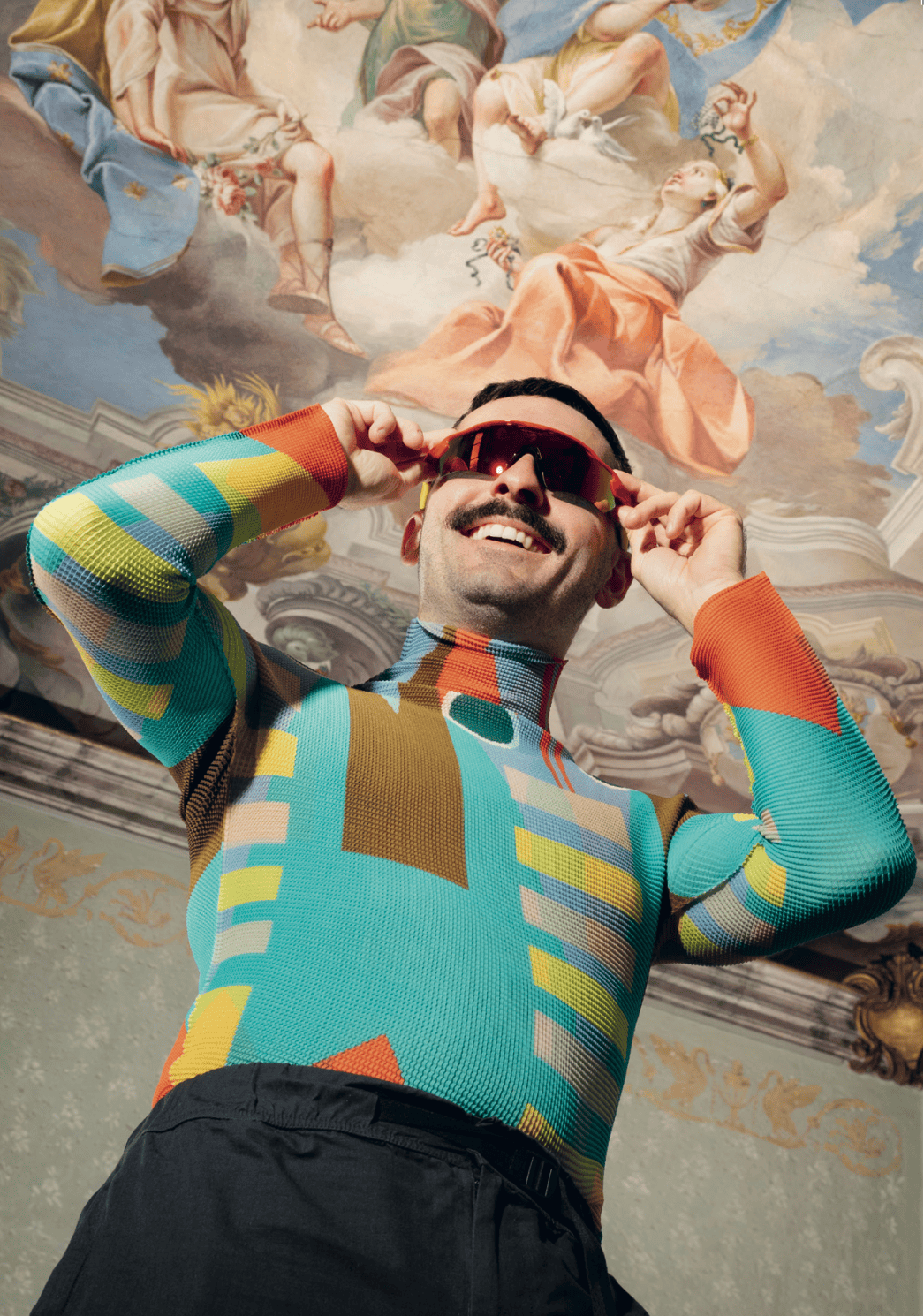
Edoardo Monti photographed with a 1750 fresco at Palazzo Monti

Since Edoardo Monti started his Palazzo Monti artists’ residency in Brescia, northern Italy, in 2017, it has evolved to become one of the most tasteful, sophisticated and respected artist residencies in the world, supported by patrons such as local hero Umberta Gnutti Beretta. Many of the more than 250 young artists he has featured have since exploded on to the global art scene, and collectors keep a careful watch. As the Palazzo opens its third space this year, in a Brescia bunker, Monti tells LUX the story so far, and two key collectors comment on what makes it important

“I started the Palazzo Monti Residency quite instinctively – I wanted to live surrounded by artists, to create a space where they could feel free, supported and genuinely at home while working.

An artists’ living room at the Palazzo Monti with Slick Submissions, 2018, by Bea Bonafini

In terms of discovering the artists for the residency, it’s mutual – we find each other. I am drawn to artists with a certain sensitivity and urgency, something you feel immediately, before you can even explain it.

Follow LUX on Instagram: @luxthemagazine

Often, the relationship starts quite intuitively, but it develops over time into something much more layered. Many of the artists who pass through Palazzo Monti don’t just come for a residency – they stay connected, come back or evolve with us in different ways.
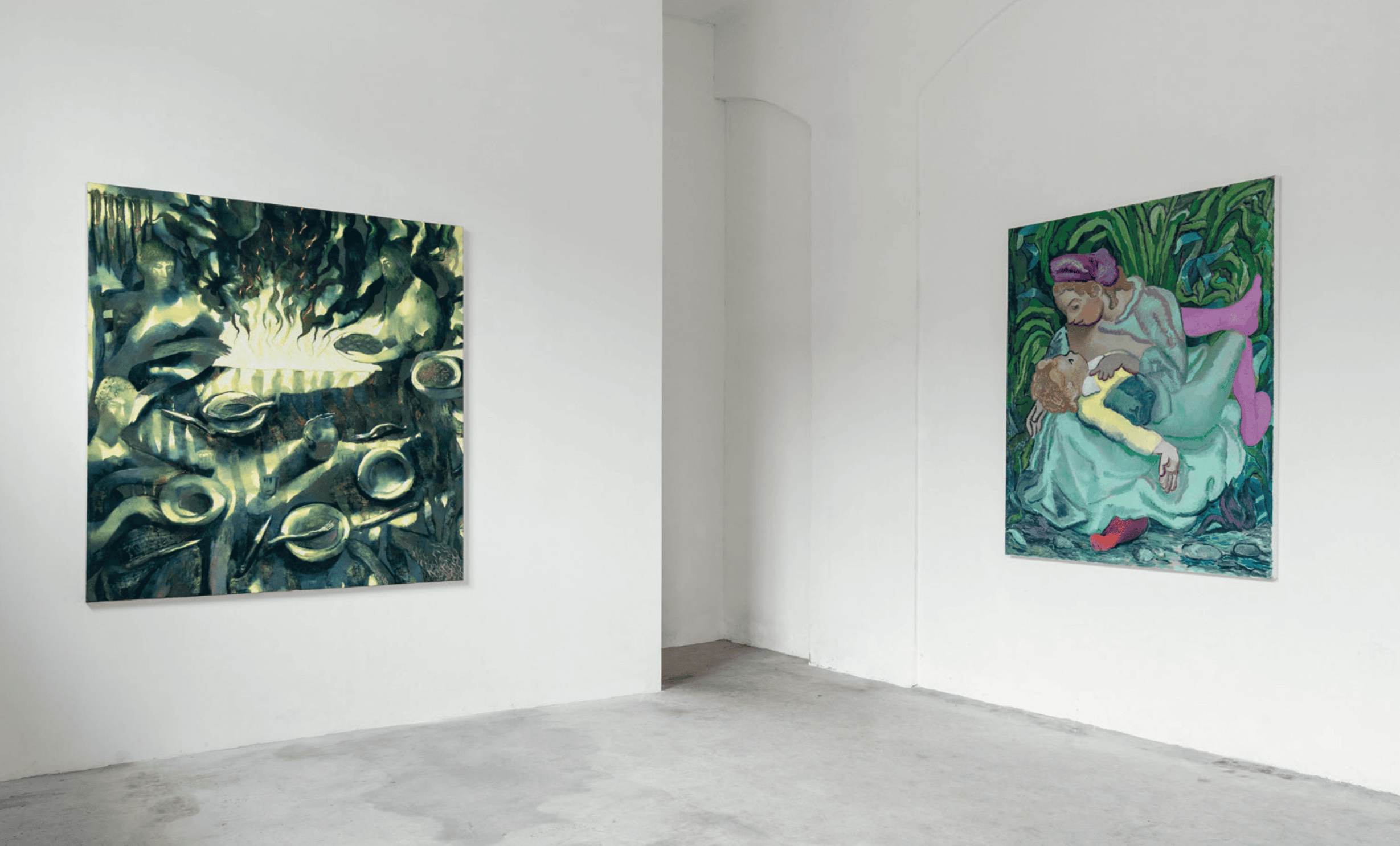
The palazzo’s nearby second space, Fertile, with La cena del cacciatore, 2024, by Luca Ceccherini, and Then Glut Thy Sorrow on a Morning Rose, 2022, by Delphine Hennelly

There’s a sense of continuity that becomes very important. For example, there have been artists who arrived at an early stage of their practice, using the residency as a moment of experimentation, and then returned later with a much more defined body of work, sometimes even exhibiting in the same spaces where they started. In other cases, collaborations have extended beyond Brescia, through exhibitions, introductions to collectors or simply ongoing dialogue.

In 50 years time, I would like history to say that Palazzo Monti was a place where artists felt seen early on, where important practices were nurtured quietly and where meaningful relationships began and lasted over time.”

– Edoardo Monti

The programme’s Fertile space with Nobody But You/Nobody’s Gonna Fuck Me Like Me, 2019, by Sophie Spedding

“Palazzo Monti stands out for its ability to nurture artists at a pivotal stage in their careers, thanks to Edoardo’s thoughtful and hands-on approach. The residency brings forward compelling practices. I am glad to have works by Konstantina Krikzoni, Georg Wilson, Natalia Gonzalez Martin, Anna Ruth, Charlotte Edey, Diane Dal-Pra, Lindsey Bull and Nour El Saleh in my collection, discovered through the programme”

Read more: Artists through the eye of Patrizia Sandretto Re Rebaudengo

– Francesca Milani, collector and patron

The new gallery space Bundervik, set in a former air-raid shelter

“I see Edoardo Monti’s residency at Palazzo Monti as a vital platform for emerging artists, fostering meaningful dialogue and experimentation. His vision creates a rare balance between support and freedom. I have followed several artists from the programme closely and I am pleased to have work by Sara Birns, Oxana Tregubova, Konstantina Krikzoni and others in my collection”

– Warly Tomei, Venice-based collector and patron

palazzomonti.org

Share:
Reading time: 2 min

Reem El Roubi and Amir Daoud Abdellatif with 5.63° N, 0.00° E, 2025, by El Anatsui

Sudanese by birth, Reem El Roubi has become an influential and discerning advocate for African and West Asian art, and holds significant positions in some of the world’s most distinguished art institutions. She speaks to LUX about the importance of supporting culture

LUX: Why do you support artists?

Reem El Roubi: My husband Amir [Daoud Abdellatif] and I met many artists over the years, and see the art world as an ecosystem that fosters artists’ creativity, where collectors and patrons play a big role.

Follow LUX on Instagram: @luxthemagazine

LUX: Do you consider yourself a patron of the arts and when did you realise that, if so?

RER: When I joined the Tate Africa Acquisitions Committee and became a patron of the Louvre Abu Dhabi and Sharjah Art Foundation in the UAE, though I have always supported artists.

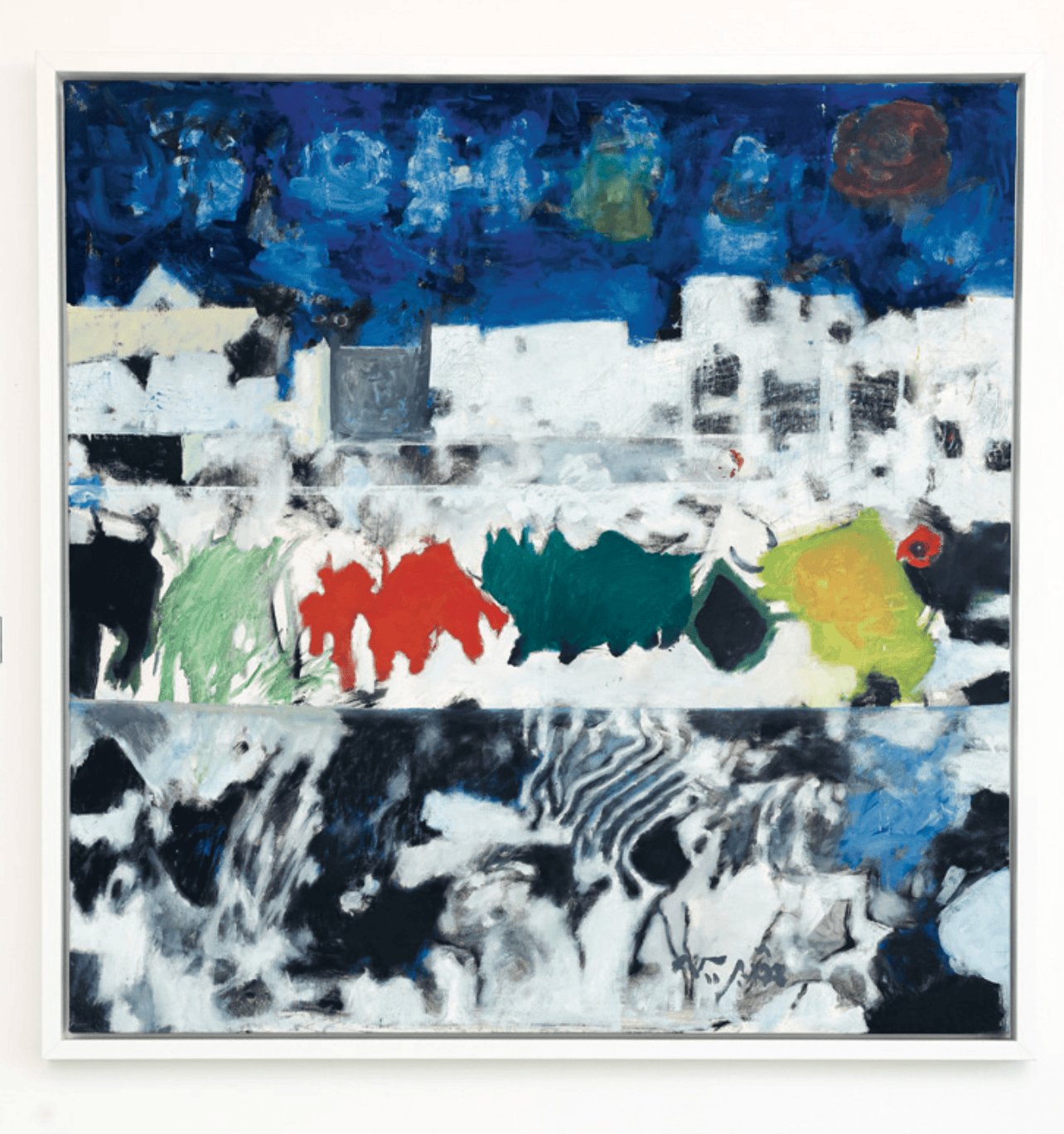
Untitled, 1998, by Ahmed Shibrain. From the collection of Reem El Roubi and Amir Daoud Abdellatif

LUX: How can individuals best support artists in building their own collections?

RER: By investing in young, emerging and mid-career artists, as well as established ones. It’s powerful to see such artworks included alongside each other in private collections.

LUX: What mistakes have you made?

RER: Impulse buying without research and understanding of the artist’s practice.

LUX: African artists do not have the same infrastructure behind them as those from Europe or the US. Will this change?

RER: There are more and more galleries, institutions and foundations supporting artists from the African continent. Hopefully, that will lead to the development of an ecosystem to match that in Europe and the US. Artists such as El Anatsui and William Kentridge have shown the presence of such infrastructure.

LUX: Is there something called “African art” or is the continent too diverse for this term?

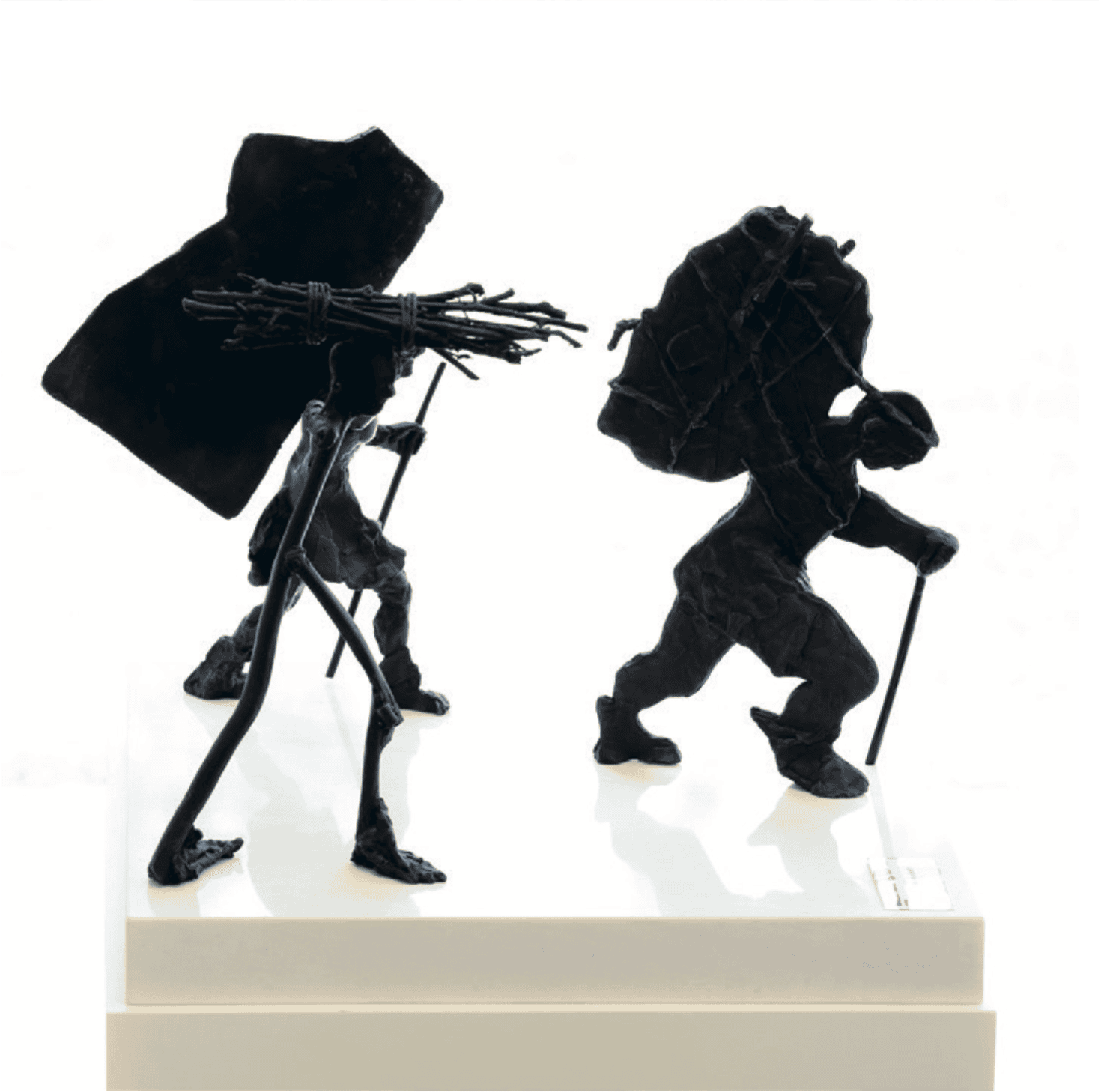
Figures from Procession, 1999, by William Kentridge.
From the collection of Reem El Roubi and Amir Daoud Abdellatif

RER: I do feel it is very difficult to generalise African Art. There is a clear distinction between each country with the richness of the culture, history and tribes. For example, I am a Sudanese woman who is an African and Arab.

LUX: What role has your committee at Tate played in supporting artists?

RER: Tate’s remits enable it to play a major role through building the national collection and bringing artists’ work to public attention. Tates Modern, Britain, St Ives and Liverpool have extensive partnerships and a global network.

Read more:

Read more: Photography in conversation with the new American West

LUX: What Sudanese artists do you admire?

RER: Kamala Ibrahim Ishag, who founded the Khartoum School in the 1960s alongside Ibrahim El-Salahi and Ahmed Shibrain. Kamala’s works focus on feminism, grief and zar rituals. Other significant artists include Mohamed Otaybi and Hussein Shariffe.

LUX: Government funding is in crisis. Are artists suffering?

Untitled, c 1964, by Ibrahim El-Salahi. From the collection of Reem El Roubi and Amir Daoud Abdellatif

RER: Yes, which is why art patronage has become increasingly important.

LUX: Will the Gulf ever have the institutional infrastructure of Europe or the US?

RER: This can already be seen in the UAE and Qatar. The Gulf has attracted top global and regional experts to form a unique relationship in creating institutional infrastructure. The success is also through the funding.

LUX: How is supporting artists best done?

RER: Institutions play a vital role in artists’ market valuation and the recognition of artists’ practices; individuals raise awareness and foster artists’ creativity through investments.

LUX: Do you have a strategy, or a dream?

RER: I see my role as more custodian than collector. I will continue my passion and see where this journey takes us.

tate.org.uk

louvreabudhabi.ae

sharjahart.org

Share:
Reading time: 3 min

Maryam Eisler and Alexei Riboud, whose photographs were at the heart of the exhibition The New American West: Photography in Conversation at 10 Corso Como, Milan

Myth, memory and a plurality of perspectives came together at 10 Corso Como, Milan, at events to celebrate the opening of The New American West: Photography in Conversation. The exhibition of photographs by Maryam Eisler and Alexei Riboud was presented alongside classic images of the genre by Paul Strand, Diane Arbus, Lee Friedlander and more, revealing – across ever-intriguing evenings – the American West not as a single narrative, but an evolving and ever-intriguing idea

Follow LUX on Instagram: @luxthemagazine

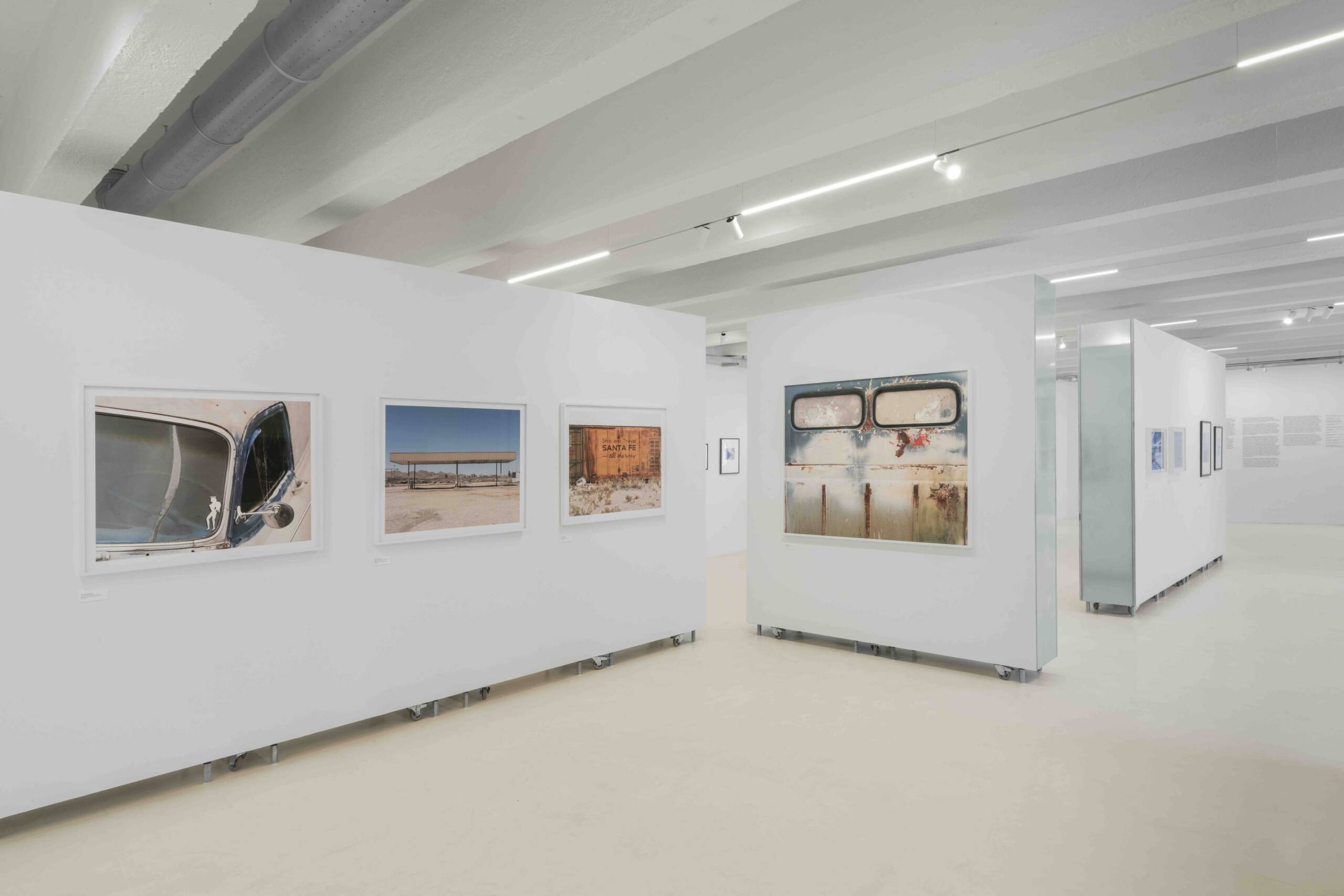
Installation view of photographs by Alexei Riboud

“Presenting The New American West: Photography in Conversation at 10 Corso Como was truly transformative. With an amazing curatorial and architectural team, the show was designed like a solar system that placed the contemporary dialogue – between my and Alexei [Riboud]’s work – at its heart.

This arrangement radiated out into the art-historical context, giving fresh relevance to the story of the American West and helping viewers understand that unfolding dialogue between past and present, not to mention the ever-evolving narrative of the West.”

– Maryam Eisler, photographer

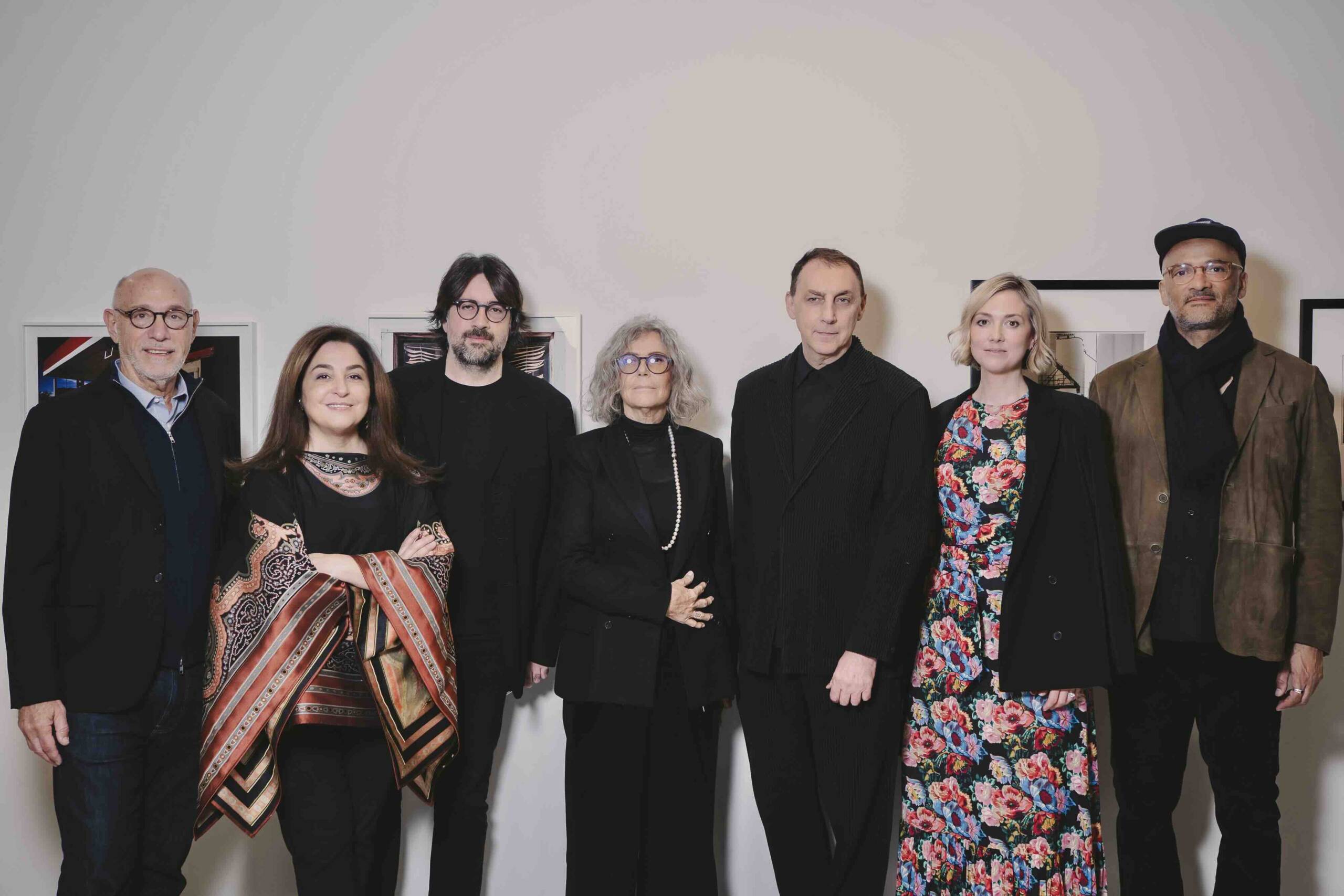
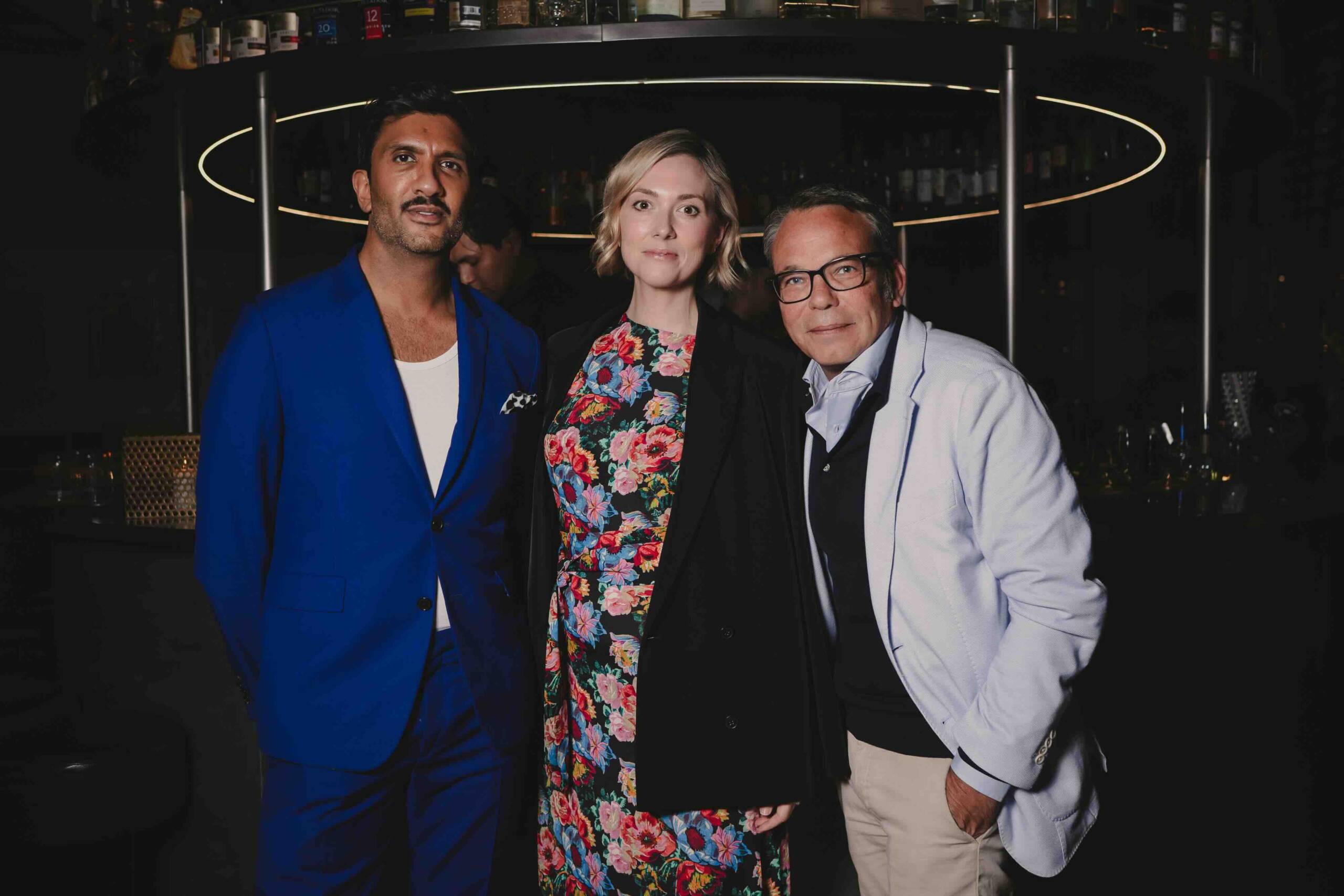
Howard Greenberg, Maryam Eisler, Alessio de Navasques, Tiziana Fausti, Gianluca Borghi, Carrie Scott and Alexei Riboud at the opening of The New American West: Photography in Conversation

“‘The New American West: Photography in Conversation’ has landed at the right spot: 10 Corso Como is a place of conversation; a global dialogue across time and among design, fashion, books and photography.

The American West is at a crossroads of cultures and populations and so is this historic concept store and space. The American West is a place of meditation and similarly 10 Corso Como invites you to reflect on global creation and to assess bridges between the arts”

– Alexei Riboud, photographer

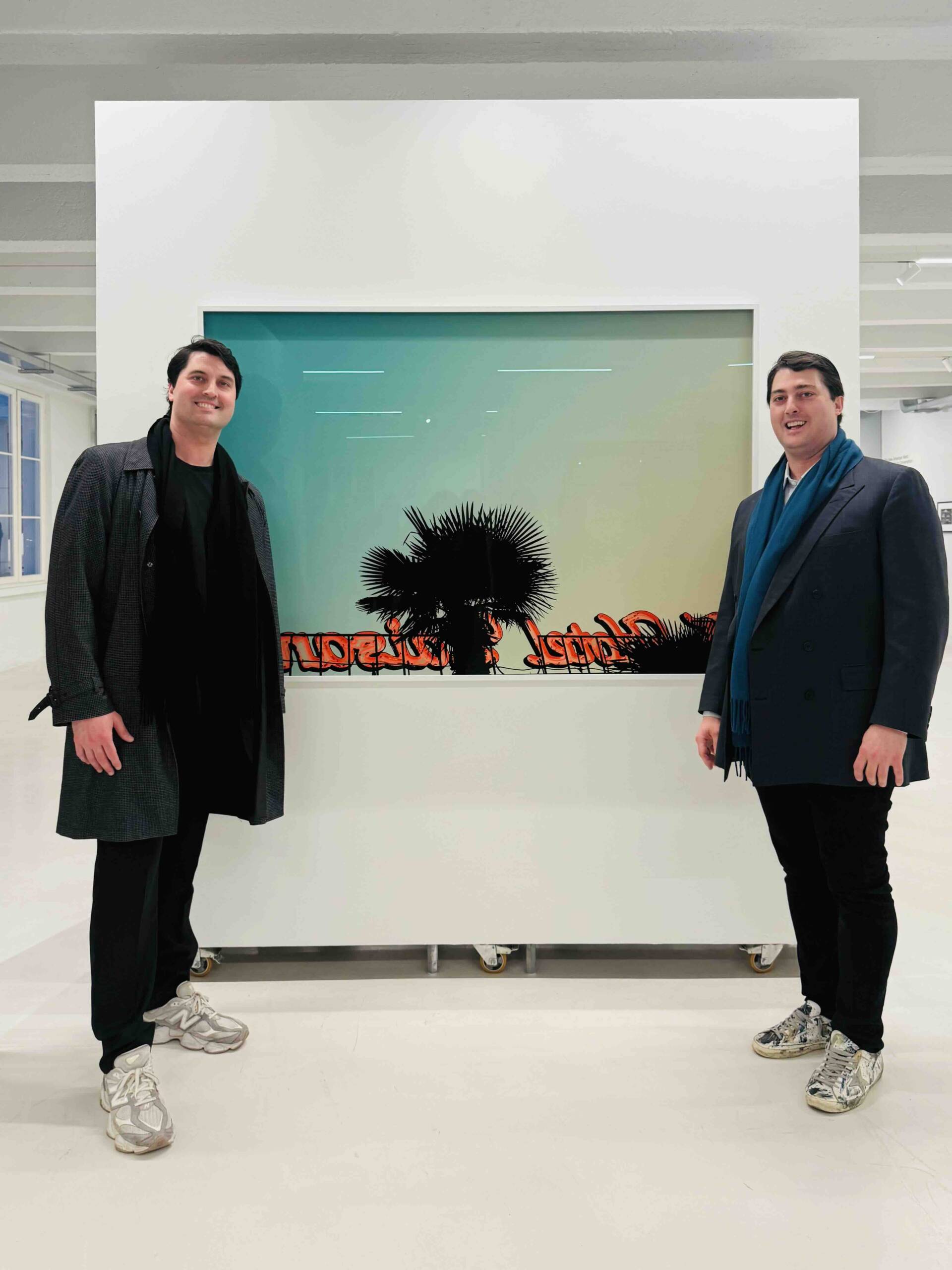
Parker Calvert and Clayton Calvert with a photograph by Maryam Eisler

“This is the version of the exhibition I always dreamed we could launch. Alessio [de Navasques, co-curator] and Howard [Greenberg, co-curator] embraced it with such generosity and collaboration, and together we made it stronger.

Read more: Artists through the eye of Patrizia Sandretto Re Rebaudengo

At 10 Corso Como the photographs finally breathe – the story of the American West unfolding across the walls”

– Carrie Scott, co-curator, ‘The New American West: Photography in Conversation’

Harsch Kumar Sood, Carrie Scott, Robert Popper pictured at the opening

“Bringing together photographers across generations has been an exceptional experience, rethinking the West as a lens on what America means today.

Working with Howard Greenberg’s archive was a true honour, and engaging with Alexei and Maryam’s contemporary perspectives has been equally rewarding. I’m genuinely pleased with both the result and its reception.”

– Alessio de Navasques, co-curator, ‘The New American West: Photography in Conversation’

maryameisler.com

alexeiriboud.com

Share:
Reading time: 2 min