An installation by Natasa Galecic at the Gyan Museum for this year’s Jaipur Art Week

The Public Arts Trust of India has announced its 5th edition of the Jaipur Art Week, which takes place every year in the UNESCO World Heritage City. As PATI’s Founding Chairwoman, Sana Rezwan’s mission is to bridge the city’s timeless heritage with its ever-evolving contemporary art scene

Follow LUX on Instagram: @luxthemagazine

Edition 5.0 of Jaipur Arts Week will feature more than one hundred participating artists across multiple venues in Jaipur, in a city-wide programme that takes place within and throughout its historic landmarks and public spaces.

Poojan Gupta’s installation A Sacred Walk transforms one of the most overlooked materials of contemporary life: discarded pharmaceutical blister packs

17 emerging artists will be featured in a solo exhibition, selected from art schools across India. The final selection of artists, many of whom have come from art schools across India, was made by a jury of global art leaders: Anita Dube, Renu Modi, Wood & Harrison, and Aindrea Emelife.

Read more: Inside the Monte-Carlo Bay Hotel & Resort

Selected artists were offered mentorship in creating their solo exhibitions by leading practitioners, including Vibha Galhotra, Gigi Scaria, Thukral & Tagra, and Shuddhabrata Sengupta.

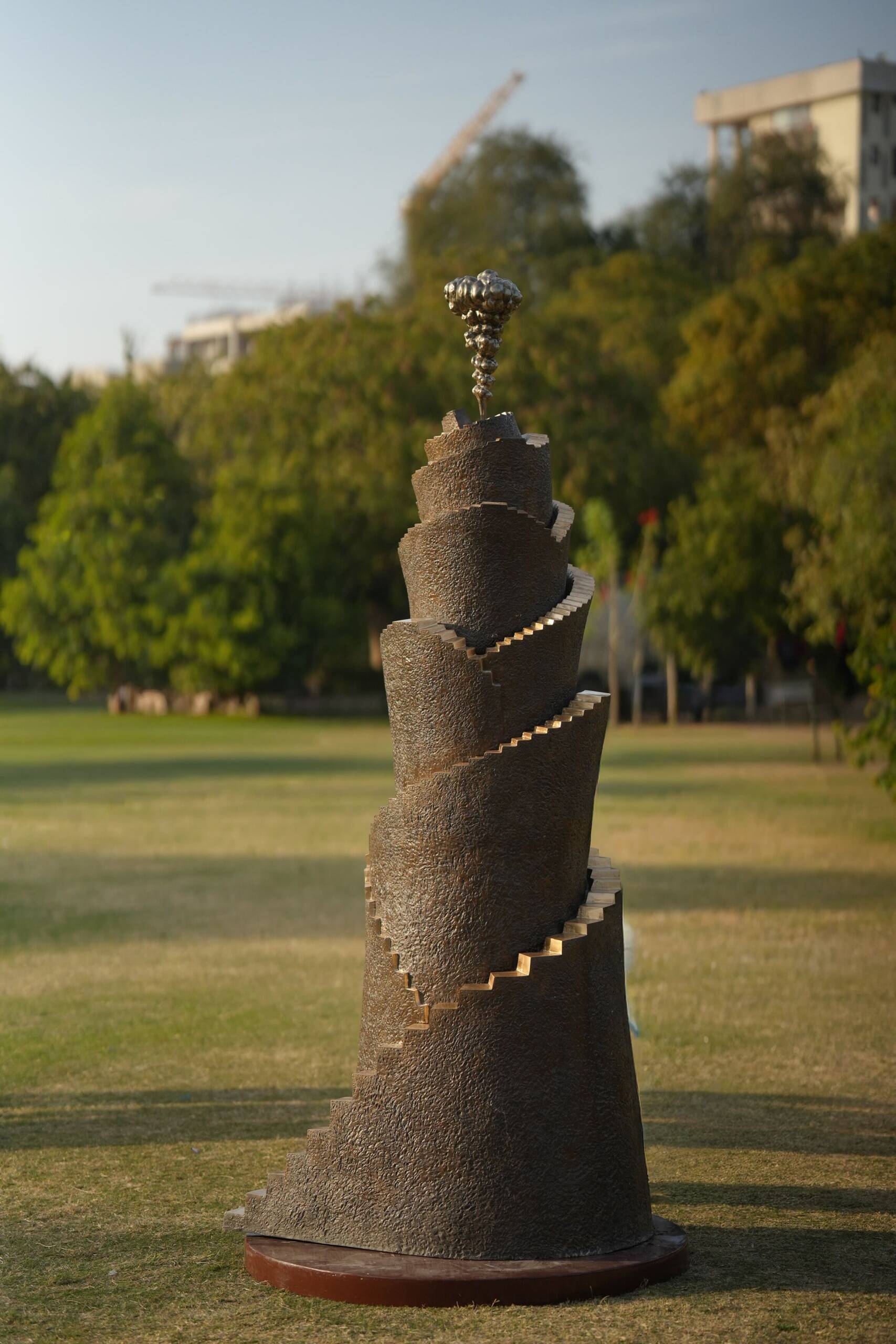
Gigi Scaria’s Ascend Towards the Unknown in bronze and white metal, created over a year in Jaipur

Other highlights of the week will include a group show, Andha Yug, curated by Anita Dube; a new digital exhibition titled ‘Here and Now,’ curated by Sayan Sanyal; and a collaboration with New York’s Parsons School of Design.

Edition 5.0 of Jaipur Arts Week will be taking place from 27 January to 3 February, 2026

jaipurartweek.com

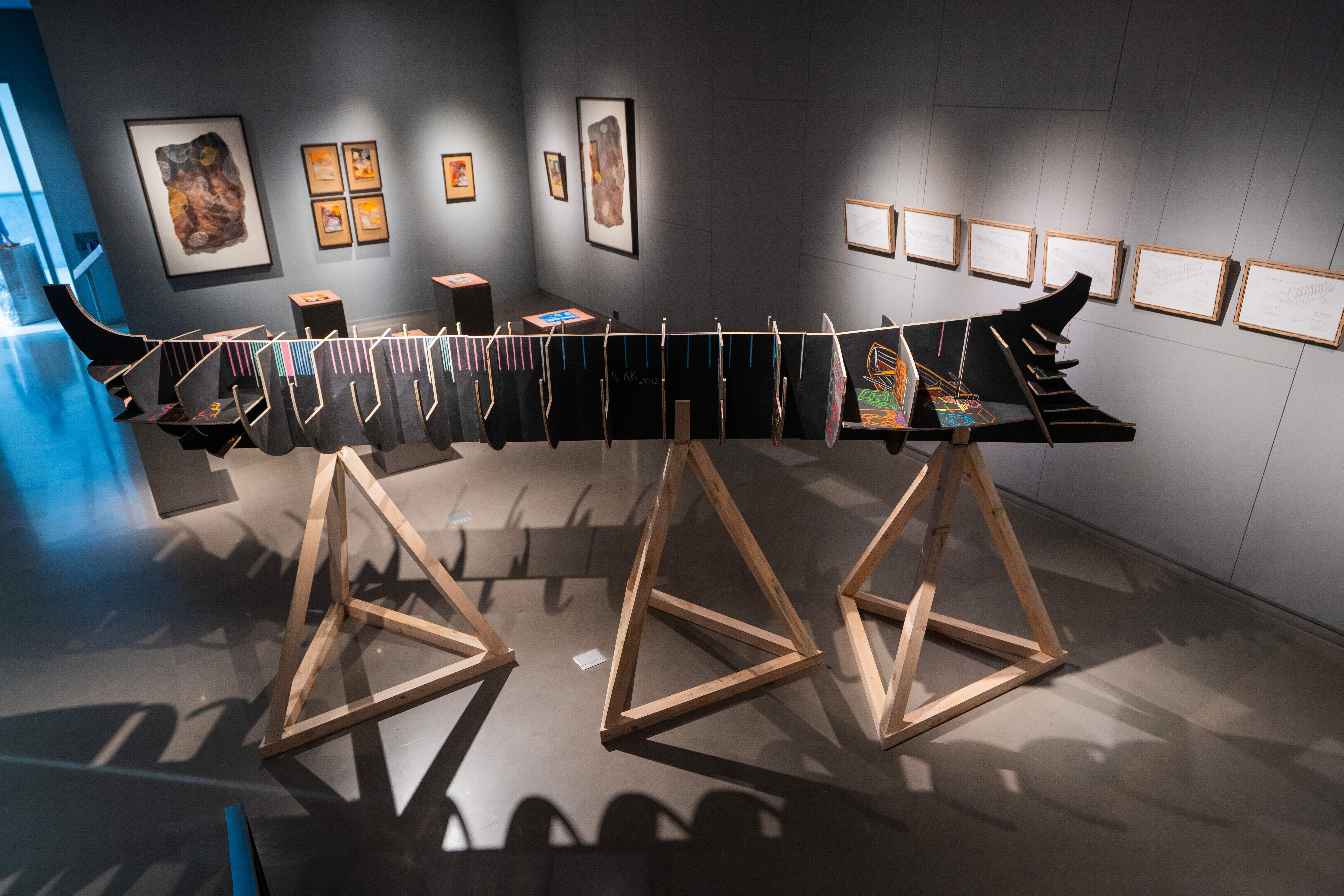
Boris Colin Alphonse’s What We Carry When We Cross, remembering the sea voyage of Maharaja Sawai Madho Singh II of Jaipur to London

Share:
Reading time: 1 min

Momento, 2020, by FAHR 021.3, at Patina Maldives

Eleven global art patrons from two generations, chaired by one of London’s greatest art doyennes, steered by LUX, and anchored in the most groundbreaking luxury resort in the world. The Patina Art Residency brings together regenerative tourism, sustainability and support for contemporary art, like nothing else

Follow LUX on Instagram: @luxthemagazine

Regenerative tourism is a vision of the future: travelling to the world’s most beautiful places while not just making an impact, but making a positive difference. The Fari Islands in the Maldives, an archipelago of four pristine islands, were developed with sustainability and regeneration front of mind; at Patina Maldives, Fari Islands, there is a coral regeneration project, an education programme with respected Ocean Elder Jean-Michel Cousteau and a pervasive awareness of the need not to do harm.

Coral Alchemy (Acropora Grove), 2023, by Shezad Dawood, at Manar Abu Dhabi

Villas all have solar panels and were made with renewable materials from the area. The island filters its own water, and there are no single-use plastics: even the construction workers were not allowed them during the resort’s construction (it opened in 2021).

Read more: Head to Baku Art Weekend for a unique cultural celebration

As well as world-leading sustainability credentials, Patina Maldives is also a haven of thoughtfully curated art, with works by James Turrell, Jose Dávila, Hiroko Takeda and others in interplay with the sophisticated architecture. Meanwhile, at Patina Osaka, recently opened, there is a reflective collaboration with celebrated Osaka graphic artist Verdy.

Artist Shezad Dawood, winner of the inaugural Patina Art Residency

In sustainability and the regenerative economy, action is predicated on awareness, and Patina, in collaboration with LUX, has just launched its first art residency, rooted firmly in ocean conservation. This is a residency with a difference.

At its core is a jury of art patrons, both established and next generation, personally invited by LUX Editor-in-Chief Darius Sanai. At their head is Maria Sukkar, major patron, LUX Senior Contributing Editor and Co-Chair of the TATE Middle East North Africa Acquisitions Committee.

The jury chose from submissions by artists from all over the world, from India to Brazil. The theme? “Fluid Worlds”, with artists asked to demonstrate how their existing body of work shows a relationship with the planet and oceans, which, in a healthy state, are essential for our survival.

Ghost Reef I, 2025, by Shezad Dawood

After a long and fascinating deliberation process, a winner emerged: Shezad Dawood, an artist with a rich history of narrative about and support for the oceans: he appeared on the cover of LUX magazine in 2022 when he created a digital installation for Frieze London on oceans and the future.

Read more: Spirit Now London acquires works for National Portrait Gallery at Frieze

Dawood will travel to Patina Maldives, staying for up to one month as its first resident artist, creating a resonating work that will be showcased in the property. Meanwhile, the art and hospitality world’s most compelling residency will only grow, as will awareness of the need to protect our oceans.

patinahotels.com

Share:
Reading time: 2 min

Diane von Furstenberg in the piano nobile apartment of Palazzo Brandolini, photographed by Simon de Pury in Venice

The daughter of a holocaust survivor, Diane von Furstenberg shot to fame in the creative cauldron of 1970s New York, where she created the wrap dress that instantly became fashion heritage and partied with Andy Warhol and his Studio 54 crowd. Now based between NYC and Venice, where she is actively involved in the cultural scene, the cool-as-ice-cream DvF was photographed by Simon de Pury for our Winter 2025 cover in her home in a celebrated Venetian palazzo; she also painted the issue’s LUX logo with inspiration from her adopted hometown

LUX: You reached a position of power during the 1970s when very few women did. What shaped you to do that?

Diane von Furstenberg: Aged 22, my mother spent 13 months in the camps. She came back and she weighed 29 kilos. Nobody could believe she survived, but she did. Her mother fed her like a little bird.

Follow LUX on Instagram: @luxthemagazine

After six months, her fiancé came back from Switzerland, they got married and the doctors said, “You have to wait two or three years before you have a baby, because you’re not going to survive and the child will not be normal.” And sure enough, 12 months later, I was born. And so my mother used to say, “God saved me so that I can give you life. By giving you life, you gave me my life back. You are my torch of freedom.” So I was born with a torch of freedom in my hand, which could be a little heavy for a little girl, but actually it was a blessing because it forced me to be responsible for myself from day one. My mother taught me two things: fear is not an option. And the other thing: never be evicted. And that’s that.

Diane von Furstenberg photographed at her apartment in Palazzo Brandolini, Venice, 2025, by Simon de Pury

LUX: It is an incredible story.

DvF: So I live the adventure of my life and still today, this morning, in my diary I wrote, “I have such a strange life. I improvise every day.” I mean, it’s an improvisation that I decided to have Venice be the stage for the winter of my life. It’s not particularly original, because a lot of eccentric older women decided to live in Venice, but anyway.

The other thing about my life that I think is special, even at my age, is agility. I have written in my diary every day, all my life. Every year, because I’m born on New Year’s Eve, I choose a couple of words for the year. Two years ago, it was gratitude and clarity. Last year, what was it? Oh, intention, manifestation, and this year was strength, kindness, agility. Agility – especially today when no one knows what the fuck is happening – agility is very important.

LUX: A recent documentary about you was called Diane von Furstenberg: Woman in Charge. What does being in charge mean to you?

DvF: To be in charge is first and foremost a commitment to yourself. It’s owning who you are. You own your imperfections; they become your assets. You own your vulnerability; you turn it into strength. It’s about being true to yourself, and it’s an ongoing process you need to practise every day. When you’re very high because you’re successful, you remind yourself, “Don’t believe your own bullshit.” And when things are tough, you say, “Ok, one door closed, another one will open.” Whatever is happening, you own it. You have no choice.

A photograph from an earlier time in Venice, from Diane von Furstenberg’s personal collection

LUX: You moved into the piano nobile apartment of the Palazzo Brandolini last year. Can you tell us about your relationship with Venice?

DvF: The first time I visited Venice, I was 17. We were tourists among others, visiting San Marco, having a delicious lunch in a garden, sliding through the narrow canals in gondolas, absorbing the beauty. I was silent, drinking it all in. But that day, something else was happening. I had fallen in love the night before with a handsome Italian boy and I felt I was a woman for the first time. From that moment, Venice, love and woman became linked forever.

Read more: A sojourn in Egypt

This, of course, is not original. Doesn’t everyone fall in love in Venice? Isn’t it the city where more love vows are made than any other? Three years later, Prince Egon von Furstenberg, the future father of my children, took me to Venice. His mother had a house in the countryside, but his aunt Cristiana lived in the most beautiful palazzo on the Canale Grande.

I will never forget walking into the piano nobile of the Palazzo Brandolini. I had never seen anything more grand, more glamorous. The carved ceilings, the frescoes, the walls with so much history, so many intrigues. I was not a tourist any more. It was the first week of September: the season of lunches, parties, balls and movie stars everywhere for the film festival; a rendezvous of beautiful people. I was in awe.

Diane von Furstenberg with her children Tatiana and Alexander, from DvF’s personal archive

From that moment, I came to Venice every year, enjoying the beauty, the exhibitions, the Biennale, the movies, the masquerades. I remember my first week with my daughter, an opera at La Fenice, a beautiful wedding in Torcello, my husband Barry Diller and I sailing into Venice on our schooner, the Eos.

LUX: You created a project for the Biennale Architettura 2025 on this idea of Venice as a woman. How did it come about?

DvF: I read a biography of Venice and discovered her history, creativity, courage and resilience. Some call her la dominante, Queen of the Adriatic or the Bride of the Sea. I identified her as the woman I admire the most, a woman I would like as a mentor, the woman I would have loved to be. To me she is the Serenissima, the ultimate symbol of femininity, elegance and brilliance, a resourceful creature who excels in balancing solution and seduction.

So it is my fantasy to imagine Venezia as the extraordinary woman who has been at the centre of history for 1,600 years, the alchemist who combined utility and creativity, who used her survival skills for triumph and glory. Carlo Ratti, curator of the Biennale Architettura 2025, was amused by my passion for Venezia the woman and invited me to conceive a project.

Diane von Furstenberg on the Eos in the Mediterranean with her husband Barry Diller

I researched and imagined the eight major roles Venezia the woman played in history. She’s the master of architecture, the brilliant maritime engineer, the opportunistic merchant that led her to be the financier banker. Above all, she is the muse – the creator of art, the diplomat, justice and, finally, Mother of the Republic.

With this vision, I went to my talented friend the artist Konstantin Kakanias, and asked him to paint the eight scenes of Venezia the woman. I then seduced Tiziana Plebani, historian, writer and true Venetian citizen, to write the stories of Venezia in the first person. Those beautiful artworks appear as large flags and float outside along the bookstore pavilion by New York architect Liz Diller for the Biennale 25. And the book is Serenissima: Solution & Seduction.

Read more: Arch Hades in conversation with Catherine Loewe

LUX: You have spoken about reinvention with Venezia, but is there also reinvention in yourself?

DvF: Definitely. My life now is a reinvention, deciding Venice would be the stage for the winter of my life. Venice is also the original startup innovator, founder of all the logistics of the past millennium, from banking to diplomacy, and I think it has a role to play in the future. So I can assemble a lot of people here and I can try to elevate the debate and that’s what I am now very interested in. Being in charge was always a movement I carried through, but I’ve also discovered the power of kindness. Kindness is a currency. And like money, it compounds, it compounds, it compounds. Generosity is the best investment. Now the movement is about being in charge and the power of kindness.

Diane von Furstenberg on her balcony overlooking the Grand Canal, 2025, photographed by Simon de Pury

LUX: As you see Venice as a woman, does that link to how you see your fashion career?

DvF: It’s not really fashion that interested me, it is woman. Two years ago, there was an exhibition about me and my work in Brussels, where I was born, made by a young curator, Nicolas Lor, and he called it “Diane von Furstenberg: Woman Before Fashion”. I’m much more interested in the woman, and so my fashion is timeless.

LUX: Who is the DvF woman?

DvF: She’s many women, but she’s the woman in charge, she’s on the go. And she’s sexy. But she could be many, like all of us, we could be different people. She could be a boss lady. She could be a diva. She could be a hostess.

LUX: You launched your iconic wrap dress in 1973. Women then didn’t have many clothing options in the corporate world. Now there are more, yet we still gravitate towards the wrap dress. Why, do you think?

A portrait of Diane von Furstenberg wearing a maxi version of her iconic wrap dress in the 1970s

DvF: Listen, I made the wrap dress, but really, the wrap dress made me. First it was a little wrapped top and then it was a little wrapped top with a matching skirt, and then I turned it into a wrap dress. It’s all about the fabric: printed jersey moulds the body and moves so that you look feline. It looks nice on the body. First, there’s the quality of the fabric, then colour and print, then the style. The style should be very simple: designed, but looking effortless. For a woman to be beautiful there are three things: eye contact, smile and body language.

Read more: The heart of London’s art circuit at the Royal Academy

LUX: Have you ever felt self doubt and had to pick yourself up?

DvF: At least twice a week I wake up and I feel like a loser. You know, only losers don’t feel like a loser, but it doesn’t last. So I constantly question myself. Growing up, I didn’t know what I wanted to do, but I knew the feeling of the woman I wanted to be. I wanted to be a woman in charge. It meant I could travel, I could pay my bills, I could have a man’s life in a woman’s body. And I got that by the time I was 27. Because it was a dress that gave me that, I would go around selling the dress. The more confident I was, the more confident I made millions of women because of a dress. So early on, it became a conduit for me, but I was taking women with me.

A pencil portrait of Diane von Furstenberg for LUX by Jonathan Newhouse

LUX: When have you feel most proud in your career?

DvF: When I was on the cover of Newsweek aged 27 and they compared me to Coco Chanel. And after I sold my company and started again in 1998 and suddenly it was the young girls who grabbed it, I was proud. Recently, I was proud of the exhibition and Venezia – so, things like that. I have such an odd life, such an odd destiny. That’s why your most important relationship is with yourself, and I advise everyone to write their diaries. It’s important.

LUX: How was your relationship with Andy Warhol, who famously made a silkscreen portrait of you?

DvF: About Andy Warhol, everybody asks, “Oh, how was it?” Well, Andy Warhol was very shy. He was not at all an actor. He was a spectator. He would take pictures of you. He would tape you. You know, he didn’t speak very much.

The 16th annual DvF Awards class photo, 2025

LUX: Do you think the fashion world is reinventing itself or doing the same thing?

DvF: Fashion became such a huge business. For 13 years, I was the head of the Council of Fashion Designers of America. Then I resigned. Because with the digital world, it didn’t make any sense to show clothes six months in advance, when everything happens immediately. I just took over my company again – another reinvention. It’s important because DvF has a very strong identity and vocabulary, and it’s important to control the product and the narrative.

Read more: Marcantonio Brandolini d’Adda’s art manifesto

LUX: And having retaken it, is there anything you’d like to change?

DvF: I just want more of it, more of it.

LUX: Which designers have you admired?

DvF: There are many. I grew up with Yves Saint Laurent and Kenzo, and the most talented couturier of all time is probably John Galliano.

“Listen, I made the wrap dress, but really, the wrap dress made me” – Diane von Furstenberg. Photographed by Simon de Pury at home

LUX: Their ethos or their design?

DvF: It’s usually the way they see the woman. It has to do with the woman because, in the end, it’s clothes, isn’t it?

LUX: What is the legacy you’d like to leave?

DvF: Probably for women, I was lucky to become the woman I wanted to be. And I hope I have helped and inspired other women to be the women they wanted.

LUX: I think you definitely have.

DvF: Thank you.

dvf.com

Interview by Candice Tucker

Photography by Simon de Pury

Share:
Reading time: 12 min

Bulgari Hotel Milan, where you can enjoy the Mediterranean sun from the shade of Il Giardino

Bulgari has become one of the most celebrated luxury city hotel brands, and here we visit their flagship offerings in Milan and Rome

Anyone who is anyone knows that Milan is now the buzzing place in Europe. Yes, the city that previously was known only for its fashion shows and design week, whose residents spent each week planning how to escape for the weekend, is now the place for people too move to, eat in, and show off at.

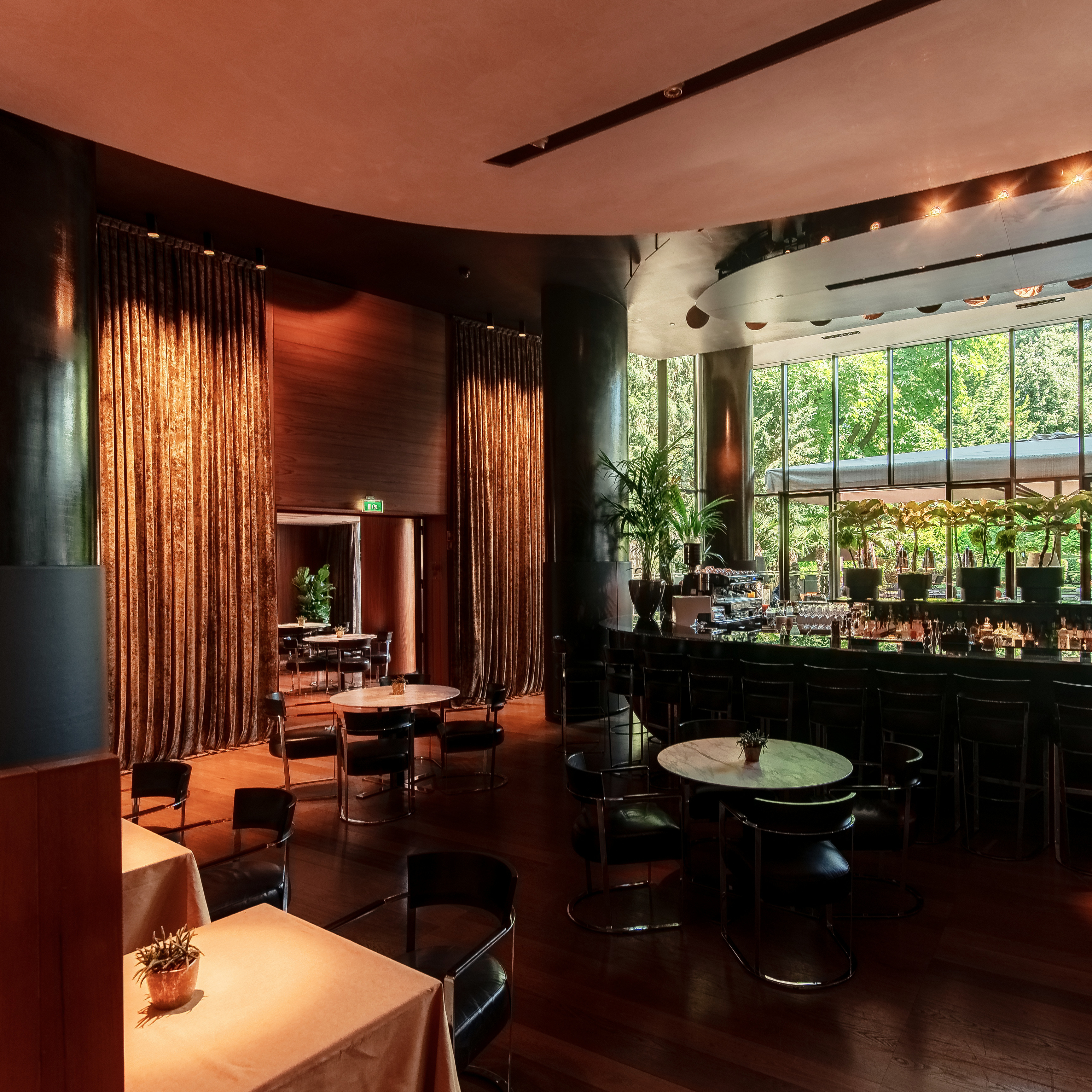
Milan is still a club, though. People know each other, and it’s social death to be seen in the wrong places. That, dear LUX reader, is why we are taking you to the epicentre of the social scene – or one of them anyway. Specifically, to our dinner table at the Bulgari hotel’s Niko Romito restaurant.

The luxury yet comfortable lobby at Bulgari’s Milan flagship
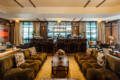
Situated up a few steps from the circular bar and more casual dining area, swathed in dark light (if that makes sense), you sit here like an Emperor in Europe’s new capital of affluence. Across from us, his back to the banquette, was a well-known fashion elder statesman, who sat happily and purposefully through his piccata, pasta and bottle of Barolo, surveying the scene like a king, his eye never turning to his phone.

Follow LUX on Instagram: @luxthemagazine

We enjoyed an excellent wine also, from the nearby Alpine Dolomites region, along with some tortelli with ricotta cheese and black pepper beef. The food is brilliant, and B hotels somehow seem even more in their element in their ancestral homeland, more comfortable in their skin.

Speaking about comfort and skin, we had arrived in a state of slight discomfort as LUX had left a company laptop on board the British Airways plane we arrived on a couple of days previously – we had spent the intervening time at the country house of a reader, contacting British Airways and the airport to absolutely no avail – each referred us to the other.

The spa offers guests a retreat in the midst the bustling streets of Milan

On arriving, we had been introduced to the Bulgari hotel Butler, available 24/7 on WhatsApp. The WhatsApp Butler is one of the greatest hotel inventions of recent times, genuinely adding convenience as you don’t need to worry about whether they will pick the phone up, whether they will understand you completely, whether they will note down the details of your requirements and hand them on to the next shift.

More in desperation than hope, we mentioned the laptop situation. “We will look into it straight away sir,” came the response and within half an hour we had a message that they had located the laptop, in an office at the back of the airport, and would we like them to send someone to pick it up?

Perhaps you should expect a luxury hotel concierge to be well connected with an airport but nonetheless the concierge service that was delivered is an enormous asset to the Bulgari.

The Bulgari Bar, a meeting place not only for hotel guests but for in-the-know Milanese

Our room itself was welcomingly quiet, looking over the courtyard garden where the hotel is located. This is an extremely quiet part of central Milan, and only a six minute walk from the golden triangle of luxury shops.

Read more: Inside the Monte-Carlo Bay Hotel & Resort

Our suite was beautifully and intensely appointed in that signature Bulgari style, overlooking the courtyard garden. This is not a hotel that looks like any other and you feel like you are in the cossetting arms of a heritage luxury brand.

Room service breakfast was served with a flourish, with lavish extra bits and table decorations. This is a place that’s hard to leave, because, you know, it’s the place to be in the place to be.

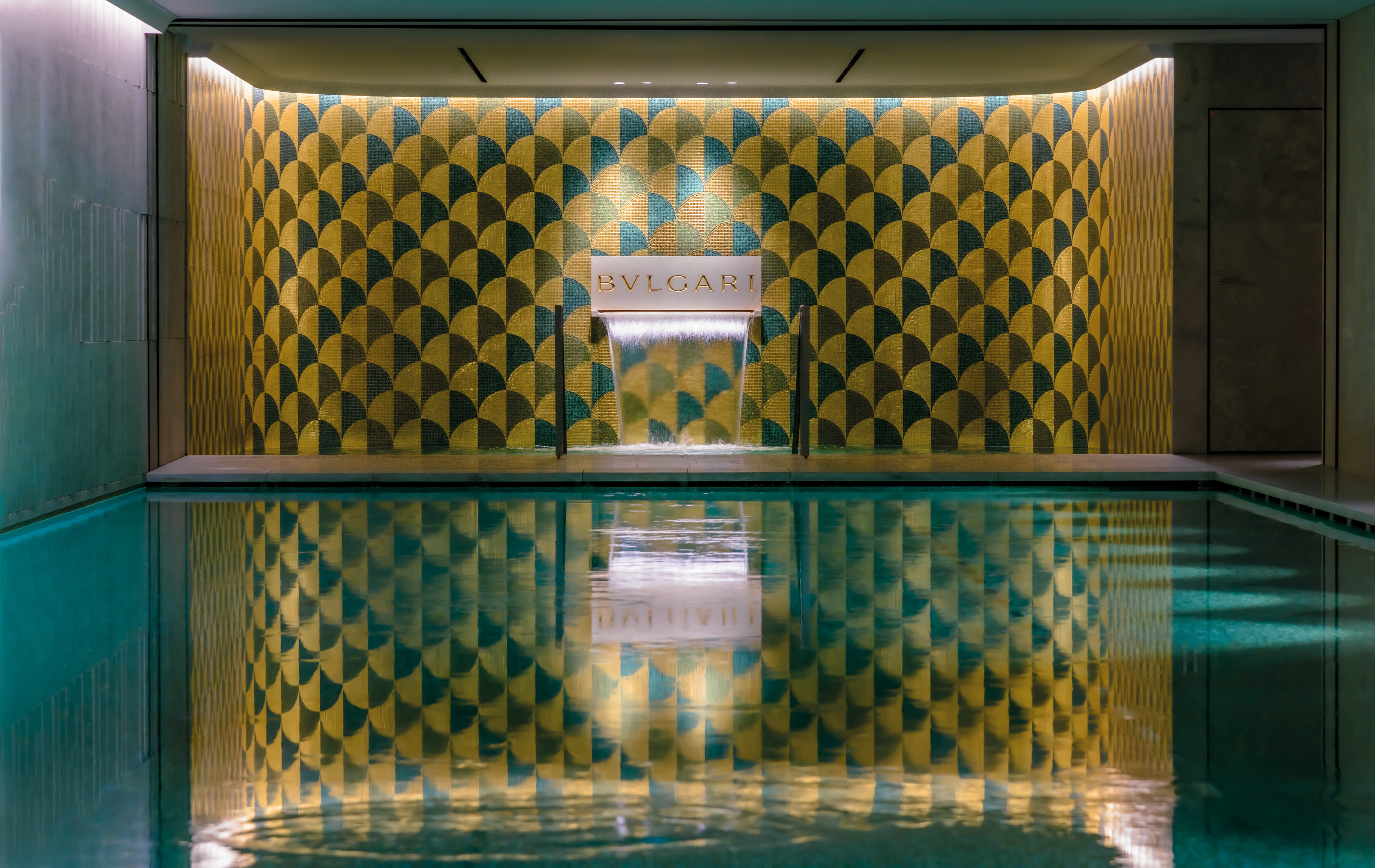
Inspired by the Roman baths, the Bulgari Paris’ 25 metre pool is intricately decorated with mosaic of gold, emerald, jade, and malachite

Bulgari Hotel Paris review

If you thought Paris was all about traditional, grand – slightly chintzy – luxury on the one hand, or self-conscious boutique chic that isn’t quite delivering luxury on the other, walking through the doors of the Bulgari Hotel on Avenue George V will rapidly change your mind.

The doormen swing the doors open for you into a glossy dark wood and light marble temple to lavishness. The reception desk, small and understated, is to the left, and a lobby lounge with dim lighting and sweeping luxury is to your right.

The Bulgari Suite is accompanied with views across Paris

Our seventh-floor suite had a terrace half the length of a city block, with views out over the Paris rooftops: the Invalides, and the Bibliotheque Nationale, in the distance. On the marble coffee table was an artfully positioned box of huge Bulgari cigar matches. You know what you are supposed to be doing here.

Read more: How Louis Roederer champagne leads in biodiversity

The suite itself had deep pile-patterned cream carpet, and every detail touch showed that this is the creation of the masters of luxury themselves, Bulgari as owned by LVMH. The box for the creams, the box for the shoe shine, the box for the products you might have left behind – in all these cases, the containers with things you are very tempted to take home and present on a coffee table of your own. (We didn’t).

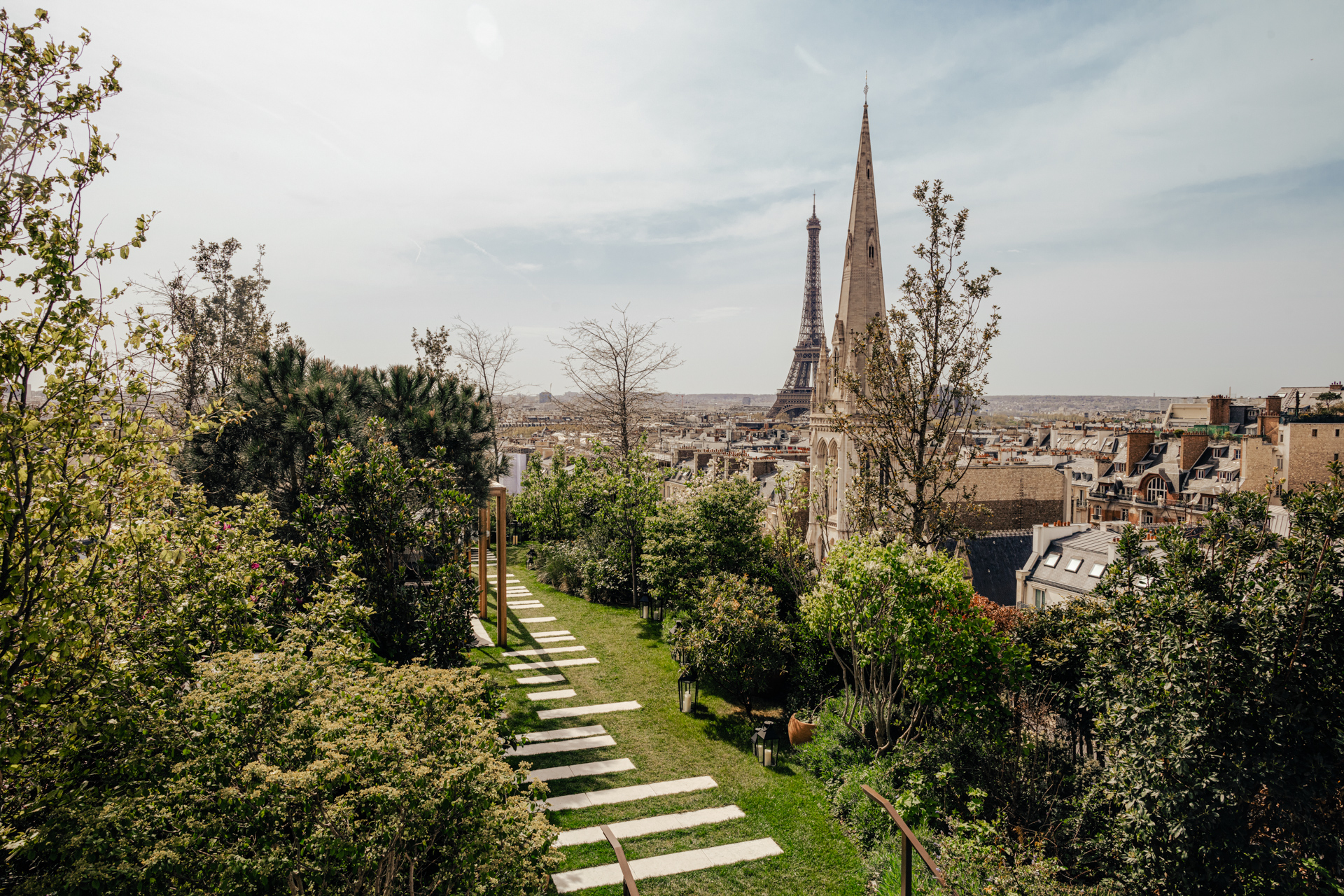
The Bulgari Hotel Paris’ Penthouse garden offers a natural retreat in the heart of Paris, where you can enjoy views of its landmarks away from the crowds

Presentation is everything in luxury, and the welcome presentation of champagne, chocolates, flowers, and three citrus fruit on three Bulgari plates was too good to touch or eat.

Room service breakfast was even more so; an exhibition of oatmeal, Goji berries, different nuts, seeds, blueberries, blackberries, and strawberries, each one occupying its own dish ranged around the bowl like numbers on a clock face. Tasted good too.

At the Bulgari‘s heart downstairs is Il Ristorante, which looks out a little courtyard garden where you can sit in summer. Our weather was not suitable for terrace dwelling, but we enjoyed a long and indulgent dinner of accompanied by excellent bottle of Barbaresco from Piedmont, the service correctly Italian and perfect.

Il Ristorante, led by three-Michelin-starred Chef Niko Romito

And then there is the location: walk out onto George V and you can walk into the flagship or nearly-flagship boutique of every luxury brand in France and possibly the world. The Champs Elysées is five minutes one way, the Eiffel Tower probably 10 minutes the other (we didn’t go). If you’re there for Art Basel Paris, probably the best art fair in the world,  it’s around an eight minute walk.

Read more: A conversation with Sassan Behnam-Bakhtiar

Luxury reinvented in Paris? Close to it, for sure. The only thing we missed was being able to use our terrace, and a little garden. Paris does doesn’t always play ball with the weather, and even the gods of LVMH can’t change that. Yet.

bulgarihotels.com

Share:
Reading time: 6 min

Every morning I live with you, 2024, by Dennis Miranda Zamorano

Mexico-based artist Dennis Miranda Zamorano blends nature, humanity and dreamscapes in always surprising ways. Ahead of his new exhibition at Château La Coste, Provence, LUX invites Zamorano to be our artist in residence on these pages, and his gallerist Vanessa Guo reflects on what draws her to his works

Follow LUX on Instagram: @luxthemagazine

“The history of humanity has been marked by countless terrible events, surviving and overcoming them. However, today we seem to be less prepared and more scattered. I believe we need to strengthen our connections, our listening and our patience toward our surroundings. We must be smarter than those who deceive.” – Dennis Miranda Zamorano, artist, Mexico

Read more: Artist in Residence: Rex Southwick

“I’m drawn to how Dennis ‘excavates’ the canvas, scraping and sanding to peel back layers before reapplying paint to reveal hidden narratives. By upending norms, he urges us to challenge surface illusions and seek authenticity. His tactile, process-driven practice envisions renewal and discovery, resonating deeply amid our present collective uncertainty.” – Vanessa Guo, co-founder, Galerie Marguo, Paris

chateau-la-coste.com

Share:
Reading time: 1 min

Artist Rex Southwick in his London-based studio

British painter Rex Southwick vividly explores the ideas of aspiration and perception. Across canvases saturated with social media-bright colour, he invites us to view the perfect luxury home, but deconstructed with a behind-the-scenes view of the fantasy. LUX invited him to create a work for our pages

Follow LUX on Instagram: @luxthemagazine

“Through paint, I honour the maintenance of our environments, giving agency to the overlooked and making the passing permanent” – Rex Southwick, artist, London

Painters of Casino de Monte-Carlo, 2025, by Rex Southwick

rexsouthwick.com

Share:
Reading time: 1 min

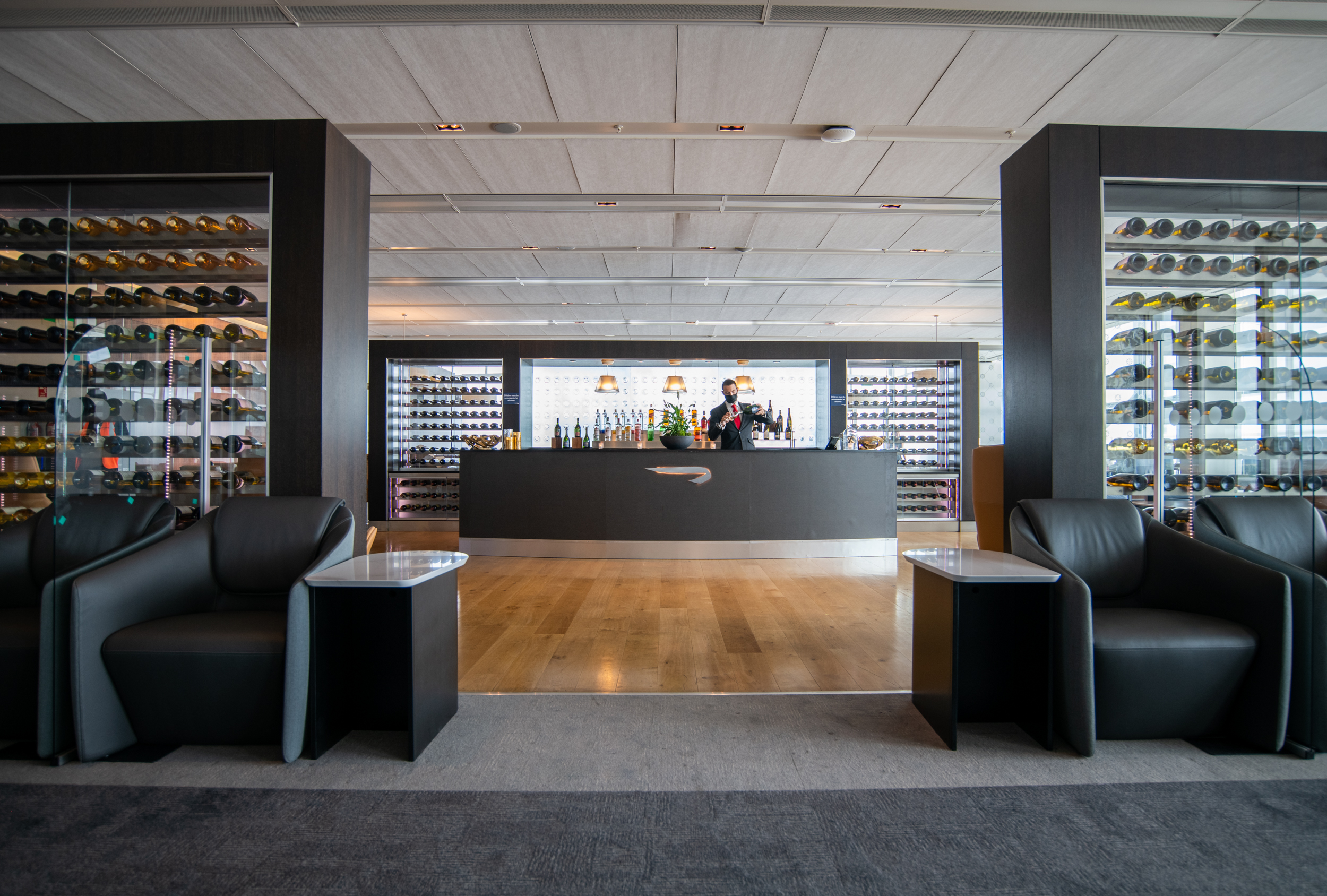
A view of the new bar in the First Lounge in Terminal 5 at London’s Heathrow Airport. The Lounge is accessed via a dedicated wing of the terminal

You shouldn’t feel nostalgic for the gilded jet set era when air travel was supposedly more romantic, says Darius Sanai. In truth we have never had it better – and if you’re a Gold card holder of British Airways, based in London, you are in one of the most privileged positions of all

Do you feel a pang of nostalgia when you look at ads and videos from the early decades of jet travel? Superbly turned out 1950s and 60s stewardesses (always stewardesses) fussing over relaxed passengers wearing their Sunday best for the flight?

Follow LUX on Instagram: @luxthemagazine

Don’t get too nostalgic. Jet travel then was loud, less comfortable, less reliable, and less efficient. The lounges were nothing like what we have today, there was no such thing as a flat bed, and in-flight entertainment was a communal movie when it worked.

And the service? Well, that can be pretty impressive today also.

The British Airways Concorde Lounge, part of the First Wing at Heathrow’s T5

Take my recent experience on British Airways, an airline some on travel forums love to hate, from London to India recently. Before I go any further I know some readers are thinking “luxury magazine editor being positive about an airline – must be a free trip and hoping for another”. For the avoidance of doubt, this trip was fully paid for by me. I haven’t had a free trip from British Airways in my life, and I haven’t even asked the airline for an upgrade since 2011 (premium economy to business, to Montreal). My entire BA experience, as a Gold member, the highest regular tier, has been paid for over the years by me, Condé Nast and LUX, the companies I work for as an Editor-in-Chief.

Read more: Dressing in Van Cleef from piste to party with LUX’s Fabienne

Back to the journey. People rightly wax lyrical about the convenience of airports like Zürich, Hong Kong International and Singapore Changi. And they are all excellent. But none of them offers the service of the British Airways First Wing at Heathrow. Jump on the Heathrow Express, 20 minutes later walk into the terminal and through the dedicated First entrance and security and straight into the British Airways First lounge. There could be chaos in the rest of the terminal, and sometimes there is, but you wouldn’t notice. It takes, on average, 50 minutes from my office in Mayfair to my seat in the Lounge, and it’s frictionless. Pretty good.

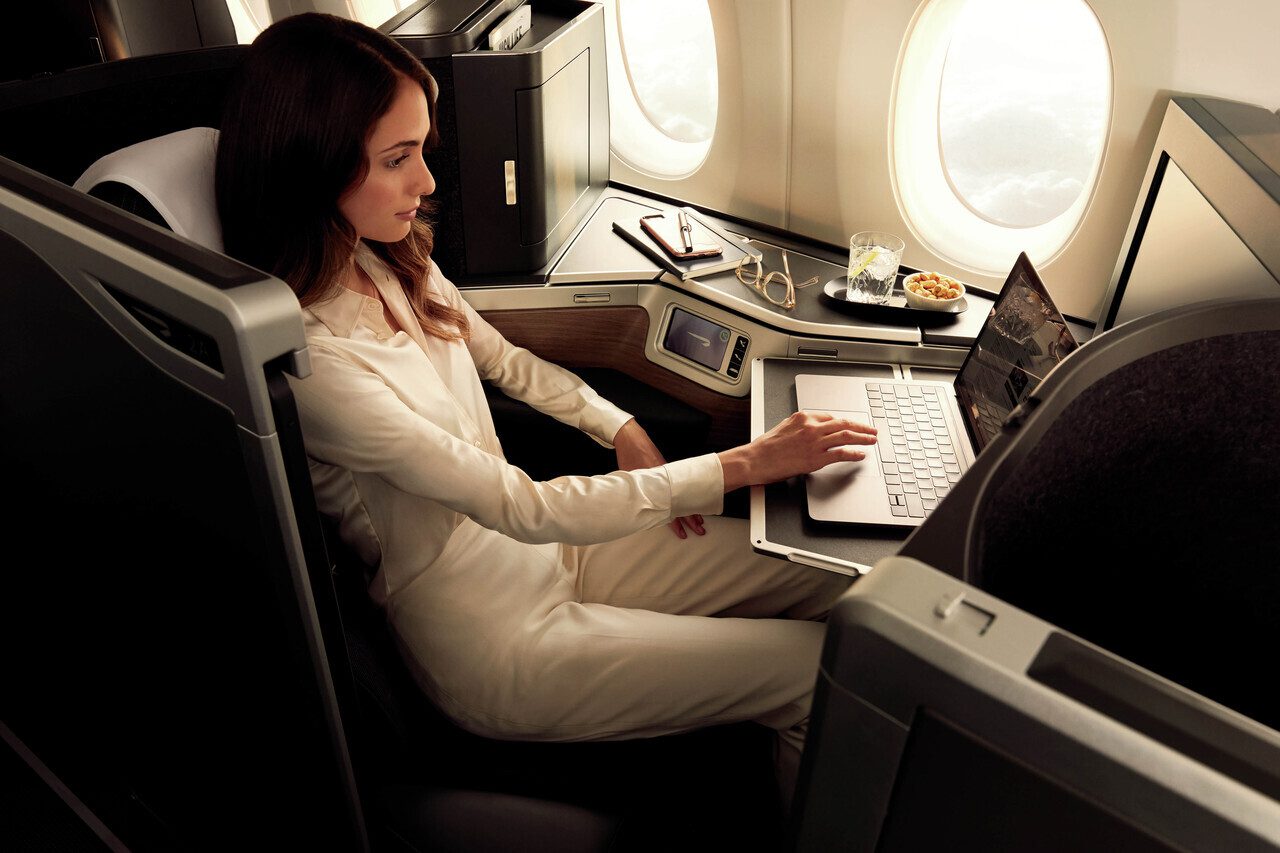
The British Airways First cabin, an upgrade from luxury air travel of previous eras

So far so normal for any British Airways Gold card holder.

The next part, though, is quite exceptional. As I was passing through the dedicated security, the lady from British Airways (you’ll find out her name later) wished me a happy trip to Mumbai and asked (as airline staff have to) to check my visa.

This was all in order, and I went through the barrier, but then she came back to me and asked if I had a printout because in her personal experience it can sometimes be challenging otherwise at the other end, even though a confirmation email is technically all you need.

I hadn’t thought to print it out, I said. Caroline said she strongly recommended it. Once I got to the Lounge, just a few metres away in the First Wing, and was relaxing with my preflight glass of champagne (a very nice De Castellane rosé) she popped up and guided me on my phone through the rather complicated process on the Indian visa system website, of turning the visa confirmation into a PDF that could then be printed.

The Club World cabin offers essential comfort for business travellers on long haul and overnight flights

She then emailed it to her own office and disappeared behind the scenes at the First lounge, emerging triumphantly with the printout around 10 minutes later. Like a member of a particularly indulgent royal family, I hadn’t moved at all except to visit the food area for some nori seaweed, miso soup, bulghur salad and slaw.

And on that point: British Airways first has evidently been listening to feedback because there is now a superb array of healthy, vegan, lactose free and other options rather than just the previous hot food buffet.

At this stage, after my third glass of champagne, I wasn’t feeling particularly worried about having the printout of the visa but thanked her nonetheless and wandered off to the plane.

‘A Heathrow First experience and Club World overnight leagues ahead of what our forebears would have had’

After a good night’s sleep in the new British Airways Club world configuration, we started our descent towards Mumbai. The new beds are better in every way than the previous configuration which had the irritation of forward and backward facing seats next to each other, so you would spend the first and last 15 minutes of your flight staring slightly uncomfortably into the face of your neighbour before one of you summoned up the nerve to pull the screen shut or press a button to raise it. Although the new configuration is slightly less romantic if you are in a window seat as you don’t quite have the same sense of being cut off from the rest of the plane, with two windows to yourself. Oh well.

Read more: The Badrutts Serlas Suite in St Moritz

Anyway, after landing in Mumbai, mind focused by coffee and the tropical heat outside, I wondered if Caroline‘s efforts would be proven to be an overabundance of caution. The experience of the traveler in front of me proved otherwise. I listened carefully to the interchange with the passport control man. Where are you coming from? London. Do you have a visa? Yes, here’s the email (shows him phone). But did he have a printout? No, it didn’t ask for a printout. Oh. That’s a problem.

The poor traveller was sent back, past the back of the queue, out of sight towards the plane to deal with what sounded like a vague but slumbering Indian bureaucracy – added to which, it was a Sunday morning. I never saw that traveller again; even after a 20 minute wait for baggage. Who knows if he was even allowed in.

‘The new beds are better in every way than the previous configuration’

My own entry was extremely smooth. Passport, visa email, and, in my hand, visa printout. Thank you to Caroline for providing the same level of service as in our nostalgic collective memory from the 1960s – and British Airways for providing a Heathrow First experience and Club World overnight leagues ahead of what our forebears would have had, with their upright seats.

That may sound trivial to some, but for international business travellers it is extremely important; sleeping in an upright chair is not anything any of us would try at home, yet that is what you would have to do in the Golden Age of air travel. I don’t think they had miso soup, wakame seaweed and bulgur salad either – those roast trolleys being trundled down the first class aisles in the old pictures look fun, but think about it, do you really want to be eating roast lamb and roast potatoes on a long haul flight?

My uncle was a senior executive at BOAC, the international precursor to BA (the one with the cool bags) in the jet-set heyday of the 1960s and 70s. I can think of all kinds of ways his quality of life was better than mine in general, starting with not having to check his phone 24/7, and being safe in the knowledge that his fun times on international trips would never be recorded for social media.

When he retired, he was given free First Class travel on the nascent British Airways for life. But, when he flew to Hong Kong or Mumbai, as he frequently did, he spent his overnights in an upright chair (with a bit of recline), in his suit. And when he checked in at Heathrow (Terminal 3 for intercontinental departures back then), he’d stand in line alongside the other check in booths, and go through the main security lines like anyone else, and then work his way, airside, to a much less extensive lounge, with beef and gravy and sausages available.

The bar at the British Airways First Lounge has an excellent rosé champagne available for free pour, made by the owners of Laurent-Perrier. although LUX searched without reward for a fine white Burgundy

I have written before in GQ about the slight contradiction of British Airways economy class, and short haul business class, not delivering what the airline’s brand in the First lounge promises in terms of seats and comfort. And that, conversely, the Gold Card holder’s experience is even better in many ways than flying private. You can read that article here, but only after finishing this one.

The economy class experience is unlikely to change given the competition in those sectors. And it’s a shame that their previously superb wine selection has been cost-cut (with the exception of the champagnes), although BA is not unique in this. At Qatar Airways (cited by many as the world’s best) flagship Al Safwa First lounge in Doha, the wines are a shadow of their former selves just 10 years ago. Airlines know that business class travellers will tolerate pub-level sauvignon blanc, it appears, which is a little cynical: a decent white Burgundy adds a touch of class that no gooseberry-and-kiwi Marlborough Sauvignon Blanc could dream of.

But all in all, as a Gold member living in London, flying long haul, I can certainly testify that, in the words of another famous Brit, “You’ve never had it so good”.

Read more: Inside Diriyah, Saudi Arabia’s new-old cultural city

Meanwhile, a previous iteration of Caroline may well have existed in the 50s and 60s: but thank goodness she does so now.

Darius Sanai has been a Gold card holder of British Airways since 2012,. He accepted no complimentary or discounted flightsor  hospitality from the airline during those years or for this article

Share:
Reading time: 8 min