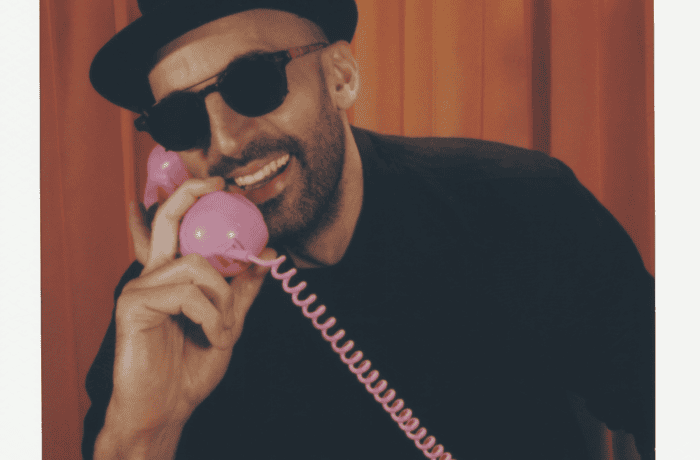
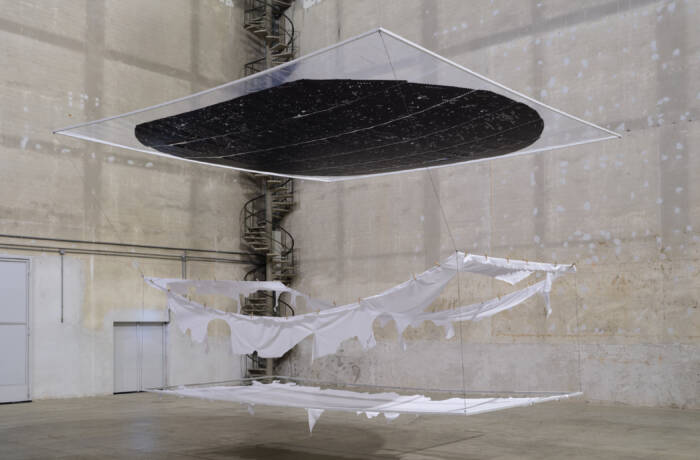
Reem El Roubi and Amir Daoud Abdellatif with 5.63° N, 0.00° E, 2025, by El Anatsui
Sudanese by birth, Reem El Roubi has become an influential and discerning advocate for African and West Asian art, and holds significant positions in some of the world’s most distinguished art institutions. She speaks to LUX about the importance of supporting culture
LUX: Why do you support artists?
Reem El Roubi: My husband Amir [Daoud Abdellatif] and I met many artists over the years, and see the art world as an ecosystem that fosters artists’ creativity, where collectors and patrons play a big role.
Follow LUX on Instagram: @luxthemagazine
LUX: Do you consider yourself a patron of the arts and when did you realise that, if so?
RER: When I joined the Tate Africa Acquisitions Committee and became a patron of the Louvre Abu Dhabi and Sharjah Art Foundation in the UAE, though I have always supported artists.
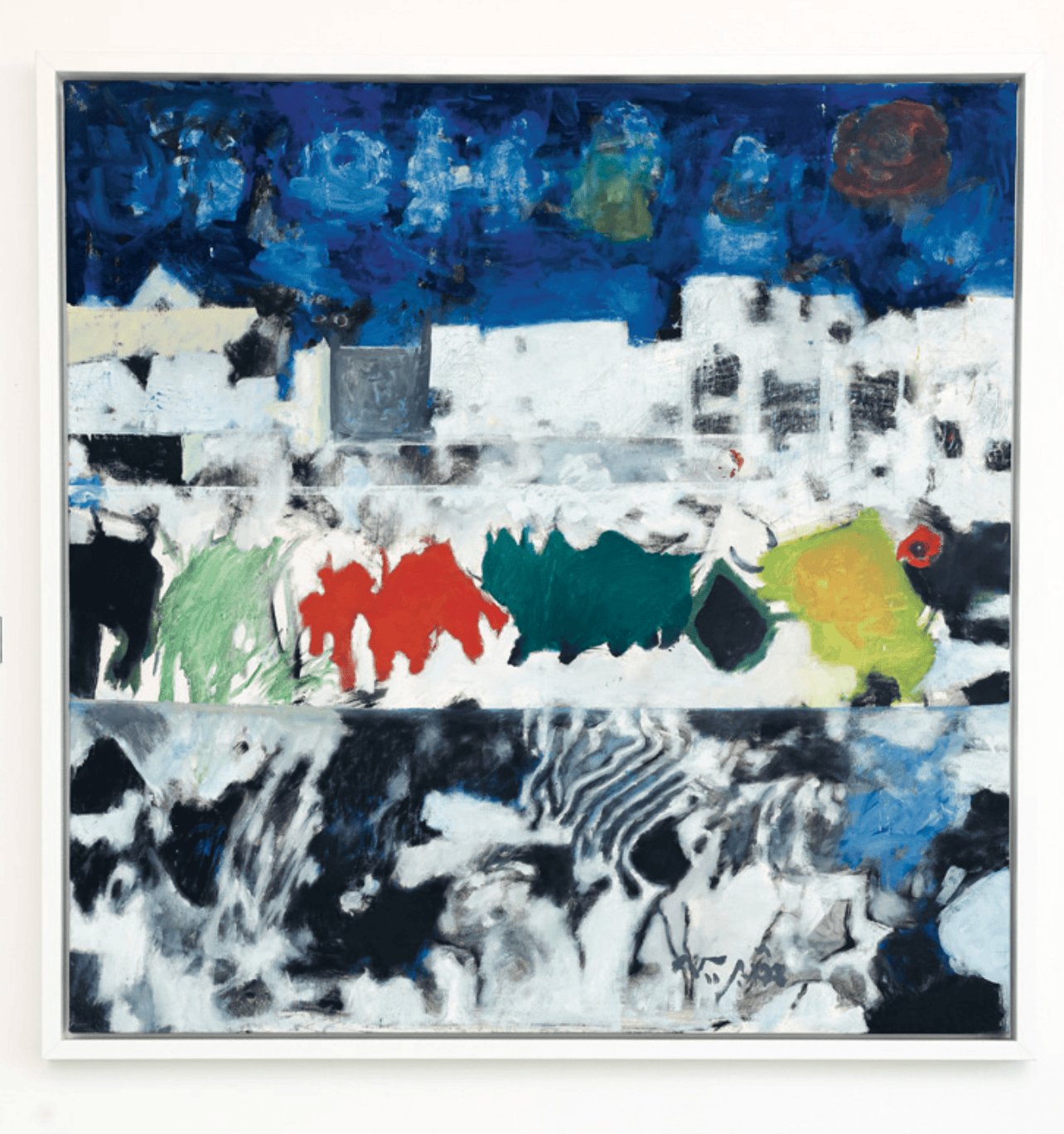
Untitled, 1998, by Ahmed Shibrain. From the collection of Reem El Roubi and Amir Daoud Abdellatif
LUX: How can individuals best support artists in building their own collections?
RER: By investing in young, emerging and mid-career artists, as well as established ones. It’s powerful to see such artworks included alongside each other in private collections.
LUX: What mistakes have you made?
RER: Impulse buying without research and understanding of the artist’s practice.
LUX: African artists do not have the same infrastructure behind them as those from Europe or the US. Will this change?
RER: There are more and more galleries, institutions and foundations supporting artists from the African continent. Hopefully, that will lead to the development of an ecosystem to match that in Europe and the US. Artists such as El Anatsui and William Kentridge have shown the presence of such infrastructure.
LUX: Is there something called “African art” or is the continent too diverse for this term?
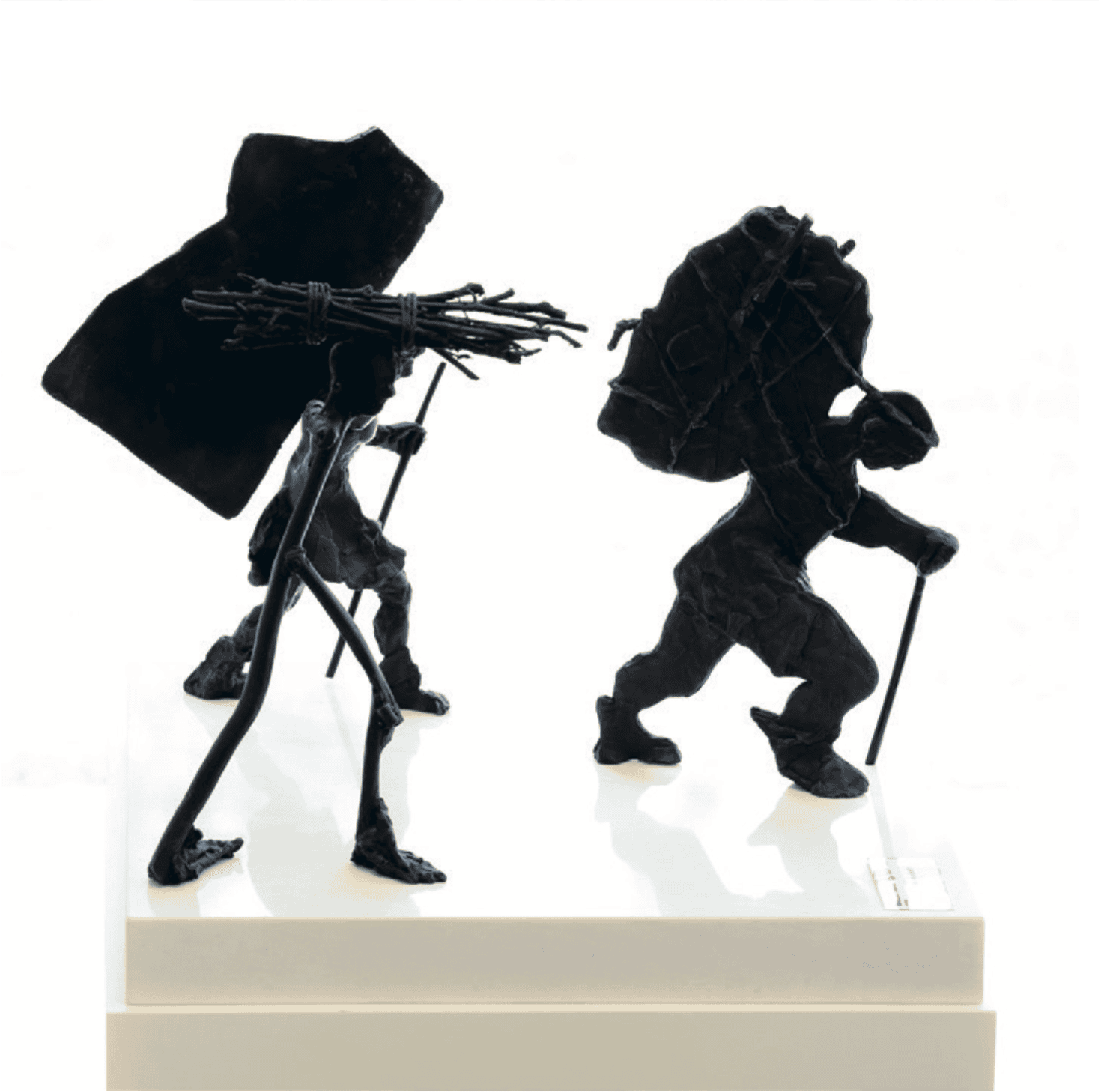
Figures from Procession, 1999, by William Kentridge.
From the collection of Reem El Roubi and Amir Daoud Abdellatif
RER: I do feel it is very difficult to generalise African Art. There is a clear distinction between each country with the richness of the culture, history and tribes. For example, I am a Sudanese woman who is an African and Arab.
LUX: What role has your committee at Tate played in supporting artists?
RER: Tate’s remits enable it to play a major role through building the national collection and bringing artists’ work to public attention. Tates Modern, Britain, St Ives and Liverpool have extensive partnerships and a global network.
Read more:
Read more: Photography in conversation with the new American West
LUX: What Sudanese artists do you admire?
RER: Kamala Ibrahim Ishag, who founded the Khartoum School in the 1960s alongside Ibrahim El-Salahi and Ahmed Shibrain. Kamala’s works focus on feminism, grief and zar rituals. Other significant artists include Mohamed Otaybi and Hussein Shariffe.
LUX: Government funding is in crisis. Are artists suffering?

Untitled, c 1964, by Ibrahim El-Salahi. From the collection of Reem El Roubi and Amir Daoud Abdellatif
RER: Yes, which is why art patronage has become increasingly important.
LUX: Will the Gulf ever have the institutional infrastructure of Europe or the US?
RER: This can already be seen in the UAE and Qatar. The Gulf has attracted top global and regional experts to form a unique relationship in creating institutional infrastructure. The success is also through the funding.
LUX: How is supporting artists best done?
RER: Institutions play a vital role in artists’ market valuation and the recognition of artists’ practices; individuals raise awareness and foster artists’ creativity through investments.
LUX: Do you have a strategy, or a dream?
RER: I see my role as more custodian than collector. I will continue my passion and see where this journey takes us.