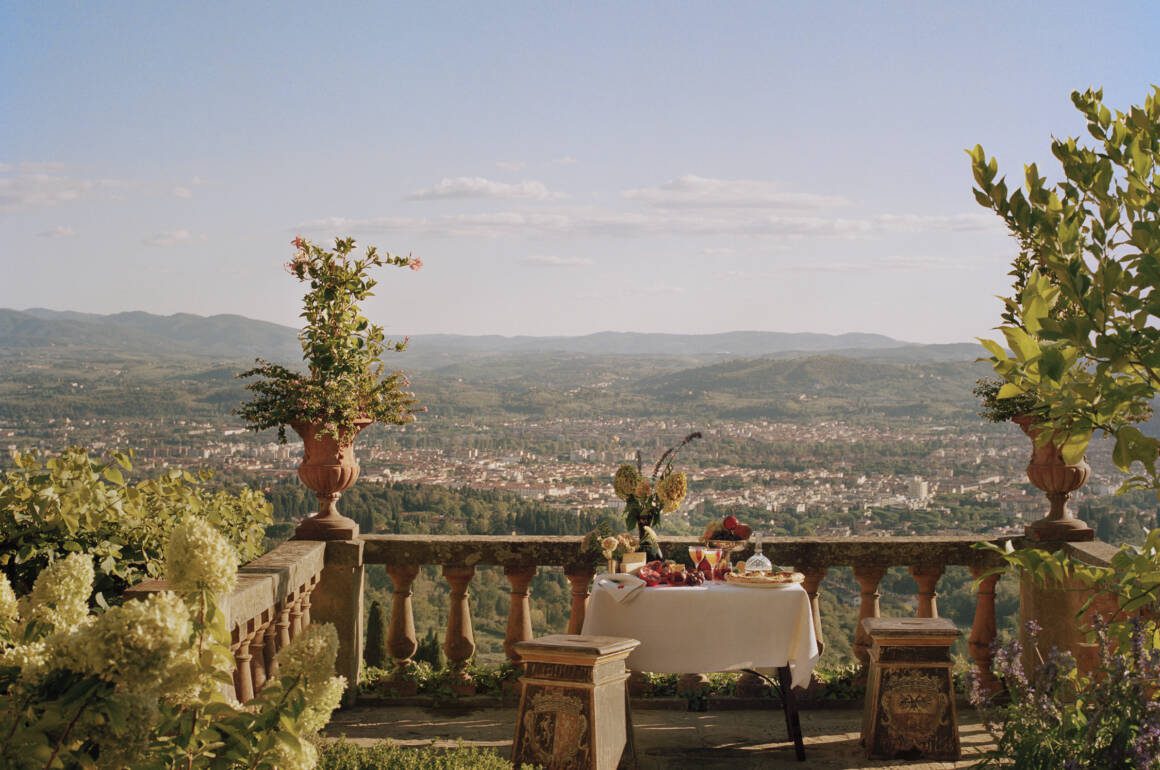
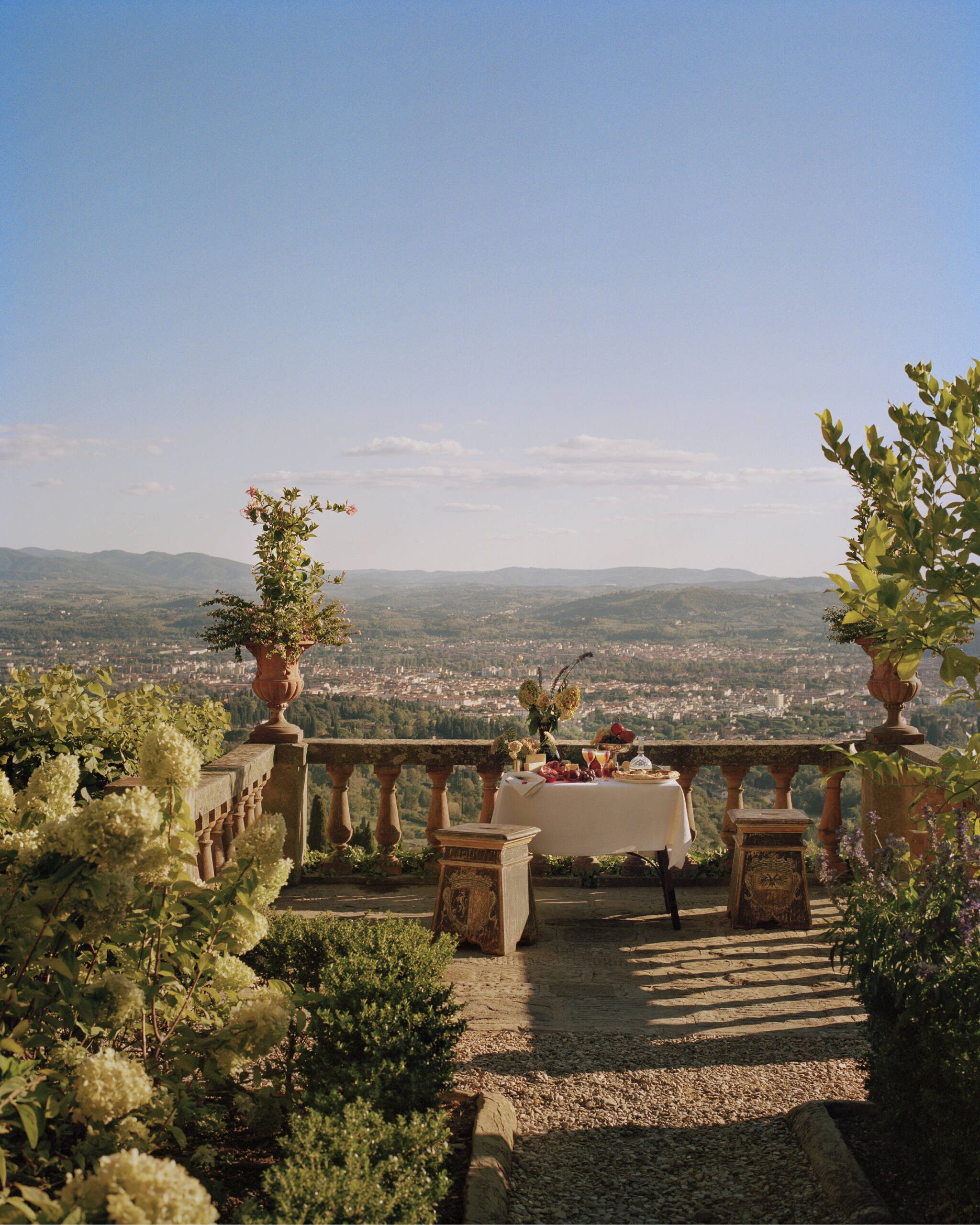
Retreating to the cyprus studded hills of Tuscany, LUX Editor-in-Chief Darius Sanai checks into Villa San Michele, following its major renovation

One of the most celebrated hotels in the world just got even more sublime. Anyone who has stayed at the Villa San Michele in Fiesole, above Florence, may be forgiven for thinking there wasn’t much to improve, and when your hotel was once a Renaissance-era monastery that watched down on the Medicis from its perch above the city, any refresh has to be done with the ultimate harmony.

Follow LUX on Instagram: @luxthemagazine

The reopening, with 39 completely redesigned suites and rooms, sees even more of a focus on Tuscan craft, new menus from the breathtaking restaurant with terrace, and a brand-new Guerlain spa that even Lorenzo de Medici would be envious of. The Tuscan views, gardens and woodlands remain the same.

villa-san-michele-florence

Share:
Reading time: 1 min

A view of Silence beach, where guests at D Maris Bay can enjoy the idyllic scenery

Nestled between the Aegean and Mediterranean seas, D Maris Bay offers a masterclass in understated luxury. From secluded beaches and world-class dining to designer boutiques and cinematic arrivals by yacht, this exclusive retreat in Turkey blends privacy, refined hospitality, and immersive experiences into one of the Mediterranean’s most coveted escapes. LUX Correspondent Maria Webster reports

There’s something undeniably cinematic about arriving at D Maris Bay. Perhaps it’s the winding drive through the Datça Peninsula, where the landscape begins to dissolve into impossible shades of turquoise and deep Aegean blue, just as the Mediterranean Sea meets the Aegean in a quiet, almost imperceptible collision of two worlds. Or maybe it’s the feeling that the resort exists in complete isolation, folded into its own private stretch of coastline where the outside world seems to fade out entirely at the edges of the land. That remoteness is precisely what gives D Maris Bay its rare sense of exclusivity – a place shaped around privacy, discretion, and the kind of escape sought by high-profile guests wanting distance from public attention.

Follow LUX on Instagram: @luxthemagazine

Life here unfolds at an entirely different pace. Mornings begin slowly with the scent of pine trees and wild Cretan rockrose drifting through open terraces, accompanied by the soft rhythm of the sea below. I stayed in a room with a wonderfully calming atmosphere and uninterrupted views across the bay – the kind of place where mornings were spent quietly with a cup of coffee, listening only to birdsong in complete silence as the coastline slowly came to life. Breakfast at The Terrace easily stretches into late-morning coffee overlooking the bay, while swims become long, unhurried rituals rather than brief interruptions to the day. There’s a natural fluidity to life at D Maris Bay that makes even the busiest schedules feel impossibly far away.

World-class dining at D Maris Bay includes Manos, a restaurant where the atmosphere carries a distinctly Greek spirit – celebratory, expressive, and deeply rooted in tradition

What struck me almost immediately was how even the arrival experience reflects that same atmosphere of effortless discretion. The resort is uniquely equipped to welcome guests by land, sea, or air, with its own private helipad and dedicated mooring facilities for yachts arriving directly at the bay. Guests can move seamlessly from boat to suite within moments, reinforcing the sense that every detail has been designed around privacy and ease. For those arriving by private jet, helicopter transfers from Dalaman or Bodrum airports transform what could be a logistical journey into something cinematic in itself, skimming across the coastline before descending directly into the resort in just under half an hour.

One of D Maris Bay’s most distinctive qualities is the variety of its beaches, each with its own atmosphere and personality. Bay Beach acts as the social heart of the resort – elegant, expansive, and vibrant, where the clarity of the water feels almost surreal. Silence Beach x Zuma offers the opposite mood entirely: quieter, more contemplative, where the soundtrack narrows to wind, water, and distant movement across the bay. At Manos Beach, the energy shifts again into something more celebratory, particularly in the evenings when music, cocktails, and dining spill naturally towards the shoreline.

Meanwhile, La Guérite Beach brings a distinctly Riviera-inspired atmosphere, balancing beach culture with polished Mediterranean glamour. Maris Beach sits closer to the heart of the resort, offering a more classic, relaxed shoreline experience, while Hidden Beach feels more tucked away and secluded, a quieter pocket that feels slightly removed even within the resort itself. Alongside these are smaller coves and platform-style areas that offer pockets of near-complete privacy, allowing guests to move between very different atmospheres without ever leaving the coastline.

Food plays a central role in that rhythm. Dining at D Maris Bay feels less like moving between restaurants and more like travelling through different experiences and cultures over the course of a stay.

The terrace during sunset at Zuma, which offers contemporary Japanese dining

On my first evening, I visited Zuma, one of the world’s most recognised contemporary Japanese dining destinations. As the sun disappeared behind the bay, the entire atmosphere seemed to shift into another register entirely. There was an understated glamour to the room – elegant, international, quietly electric – with beautifully dressed guests moving between tables as the scent of expensive cigars and refined perfumes lingered in the warm night air.

What makes Zuma so compelling is the precision behind it all. The menu balances restraint with boldness effortlessly, from beautifully delicate sushi and sashimi to robata dishes layered with smoky depth and texture. Every plate feels intentional without ever appearing overworked, perfectly suited to long evenings that unfold slowly by the sea.

Read more: Linder through the highball glass

Yet it was D Maris Kitchen that stayed with me most personally. In contrast to the international polish elsewhere, it offers something far more grounded and soulful -an intimate expression of Turkish culinary heritage. Led by Chef Turan Hantas, the restaurant feels deeply personal, shaped by a genuine reverence for local ingredients and traditional flavours. His passion for Turkish cuisine is evident in every detail, from the careful sourcing of produce to the quiet precision of each dish. Meals begin with vibrant mezzes and fresh seasonal salads before moving into beautifully executed grilled dishes rich with smoke and layered flavour. Everything feels honest, generous, and deeply connected to its surroundings. Then, at the end of the meal, comes a simple but meaningful gesture: a glass of traditional Turkish tea, grounding the experience in something comforting and familiar.

The Dior boat, which offers guests at D Maris Bay a private luxury mode of travel

Lunch at Aurora Capri brought an entirely different mood. With more than 130 years of history behind its name, the restaurant carries a quiet confidence that mirrors the spirit of Italian coastal dining itself. It became one of those effortless afternoons where lunch slowly dissolves into late afternoon conversation without anyone noticing the time pass. What stood out most was the simplicity of the menu – beautifully executed pizzas with unmistakable Neapolitan character, vibrant salads, and ingredients chosen with genuine care. Even the tomatoes, brought directly from Capri, carried a sweetness and depth that subtly transformed the dishes. It gave everything a sense of authenticity, as though a small piece of the island had travelled across the Mediterranean with them.

The cocktail menu follows that same spirit of understated Italian ease. Aurora Peach Bellini felt like the obvious choice: light, fragrant, uncomplicated, and perfectly suited to a long seaside lunch where time begins to loosen its grip.

Read more: The heart of London’s art circuit at the Royal Academy

Another memorable evening unfolded at Manos, where the atmosphere carries a distinctly Greek spirit – celebratory, expressive, and deeply rooted in tradition. What began as a relaxed dinner, gradually evolved into something far more immersive as live music filled the space and guests were drawn closer together by the energy of the evening. At one point, plates were broken in celebration, a gesture tied to wishes and shared joy that felt far more cultural than performative. What makes Manos memorable is not simply the spectacle, but the feeling of participation – the sense that you are not merely watching the evening unfold, but becoming part of it.

Fashion, too, feels naturally embedded into the world of D Maris Bay. Dior’s Riviera aesthetic subtly shapes parts of the resort, from the atmosphere around the Dior pool, where guests drift between loungers and refreshing turquoise water beneath the Mediterranean sun, to the beautifully designed Dior boutique hidden within the property. More than retail spaces, the boutiques feel like extensions of the resort itself – relaxed, sun-drenched, and carefully curated.

The Dior pool at D Maris Bay, offering guests a private retreat with views of surrounding nature

Informal, the resort’s boutique space, in particular stood out for its thoughtful edit of designers and artisanal labels, including pieces by master jeweller Sevan Bıçakçı alongside beachwear brands such as Eres, Mantero 1902, and Cult Gaia. It never felt overtly commercial, instead, shopping became another continuation of the resort’s aesthetic language.

And then there are the evenings – perhaps the most memorable aspect of all. Across the resort, signature cocktails created in collaboration with world-renowned Italian mixologist Giancarlo Mancino, arrive polished and inventive. The Terrace becomes especially atmospheric after sunset, when the bay itself feels woven into the experience. Its cocktail menu takes a playful yet refined approach, with each signature drink inspired by a different country, transforming the menu into a kind of global journey through flavour and presentation. It’s a subtle detail, but one that perfectly reflects the resort’s international sensibility while remaining grounded in its coastal setting.

What D Maris Bay understands so well is that modern luxury is defined by atmosphere, pace, and emotional immersion. Somewhere between the stillness of the sea, the discreet glamour, and the sense of complete removal from the outside world, the resort achieves exactly that.

dmarisbay.com

@dmarisbay

@jvprinternational

#beyondwords


Share:
Reading time: 7 min

Four Seasons, Singapore offers a terrace pool, gym set, and longevity centre to guests

Like any city, Singapore has its phases when different parts of its desirable areas are in vogue. For a while, both Marina Bay and Sentosa were seen as the places to stay for the first-time luxury visitor. And while they have a lot going for them, wandering out from the Four Seasons Hotel, Singapore made us realise that Orchard, the city’s original luxury area, still has a lot going for it, too

Follow LUX on Instagram: @luxthemagazine

For starters, you are right in the centre of things, not on the edge of them, with luxury shopping and restaurants on your doorstep and the general joie de vivre of being in the centre of a world city.

‘One night we went to Nobu, overlooking the Japanese garden, more characterful and atmospheric than some of the Nobus we know’

And given that it is in the most expensive area of one of the most expensive cities in the world, the Four Seasons has an astonishing amount of both variety and space. The third floor, something of an eagle’s nest above the city – this is a very green area, looking down at the treetops – is something of a hub for the hotel guest.

To one side is a big outdoor pool and terrace with treetop views. To the other, an excellent gym set in its own Japanese garden and one of the world’s most respected longevity centres, if you can foresee a really long stay at the hotel. For upper-tier guests, there is also the club lounge, with its rotating menu of snacks all day and champagne and cocktails, artfully presented, complementary. Our room, far higher up, had a stunning view across the city.

The lobby welcomes guests into a space that fuses art deco and Singaporean design

It is the dining, though, that also makes the Four Seasons stand out. One night we went to Nobu, overlooking the Japanese garden, more characterful and atmospheric than some of the Nobus we know, with cuisine of the usual standards. On the next, we had an even more immersive experience of the wider region at the hotel’s atmospheric Chinese restaurant, Jiang-Nan Chun.

Read more: Linder through the highball glass

Obviously, Singapore is a way from China, but its history and culture meet in parts and the Cantonese cuisine was worthy of Hong Kong or Guangzhou. We also enjoyed the refined, quiet but purposeful atmosphere and superb service, as well as our midnight stroll around the quiet streets of Orchard afterwards.

fourseasons.com/singapore

Share:
Reading time: 2 min

This content is password-protected. To view it, please enter the password below.

Share:
Reading time: 5 min

Judges and principals and the winner of the inaugural LUX Patina Art Residency. Top row from left: Christian Levett, Ilaria Ferragamo, Maria Sukkar, Shezad Dawood, Evan Kwee, Marie-Laure de Clermont-Tonnerre, Masha Nosova, Lexie Rodriguez. Crouching: Arturo Galansino and Darius Sanai

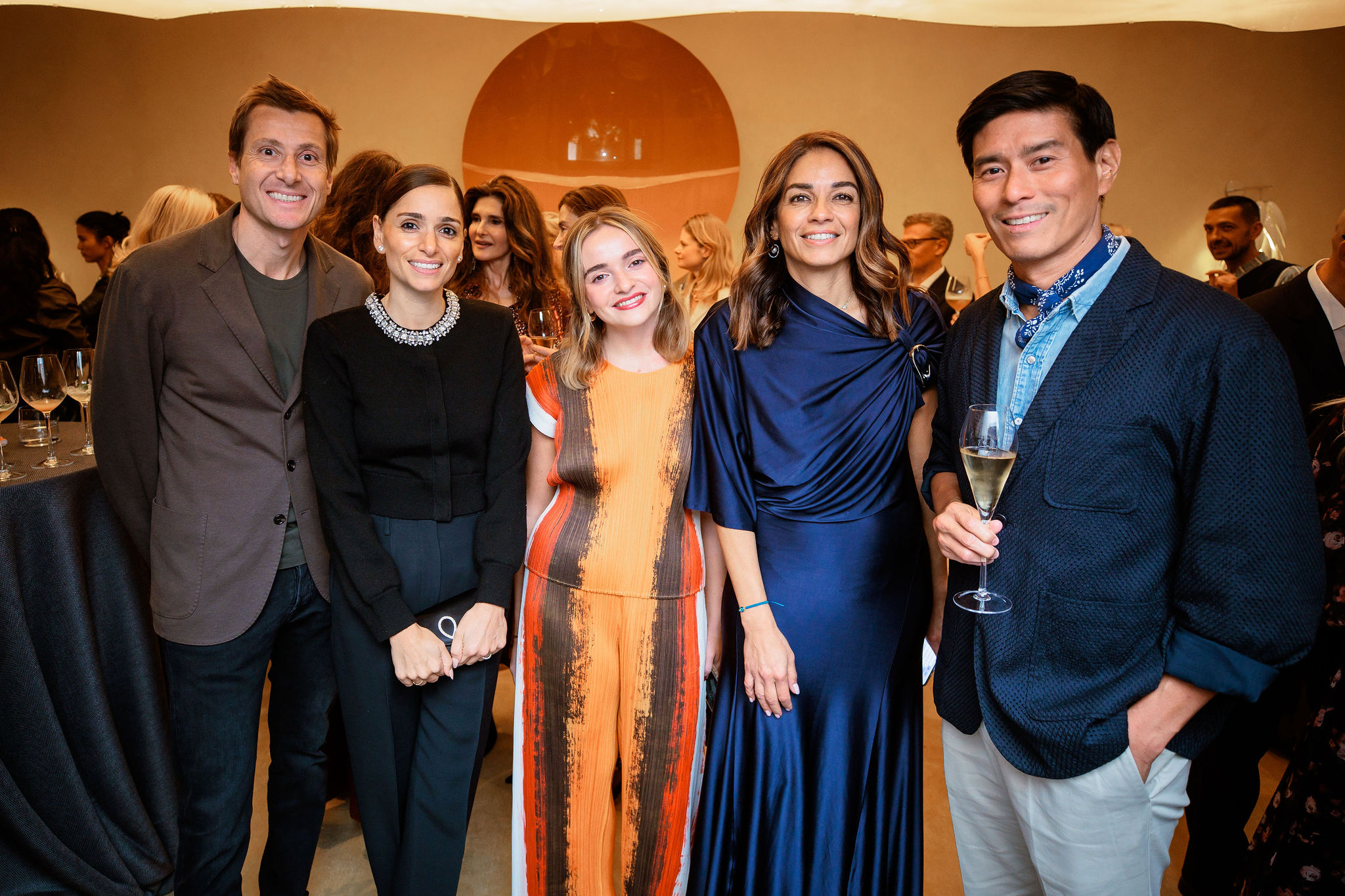
More than 100 of Europe’s most significant art patrons gathered at the London home of Maria Sukkar, LUX Senior Contributing Editor and Co-Chair of the TATE Middle East North Africa Acquisitions Committee, to celebrate the launch of the inaugural LUX Patina Art Residency.

The Residency, under the theme of Fluid Worlds, was awarded to London-based artist Shezad Dawood by Capella Hotel Group Vice Chair Evan Kwee. The prestigious prize was voted on by a jury of prominent art world figures, directed by by LUX Editor-in-Chief Darius Sanai, chaired by Maria Sukkar and including Christian Levett, Charlotte Colbert, Sana Rezwan, Hubert Bonnet, Marie-Laure de Clermont-Tonnerre, Sarah von Boetticher, Alan Lo, Christian Levett, Ilaria Ferragamo, and Masha Nosova.

Dawood will spend several weeks at Patina Maldives creating artworks in 2026, as the jury comes together to deliberate the next recipient of the award.

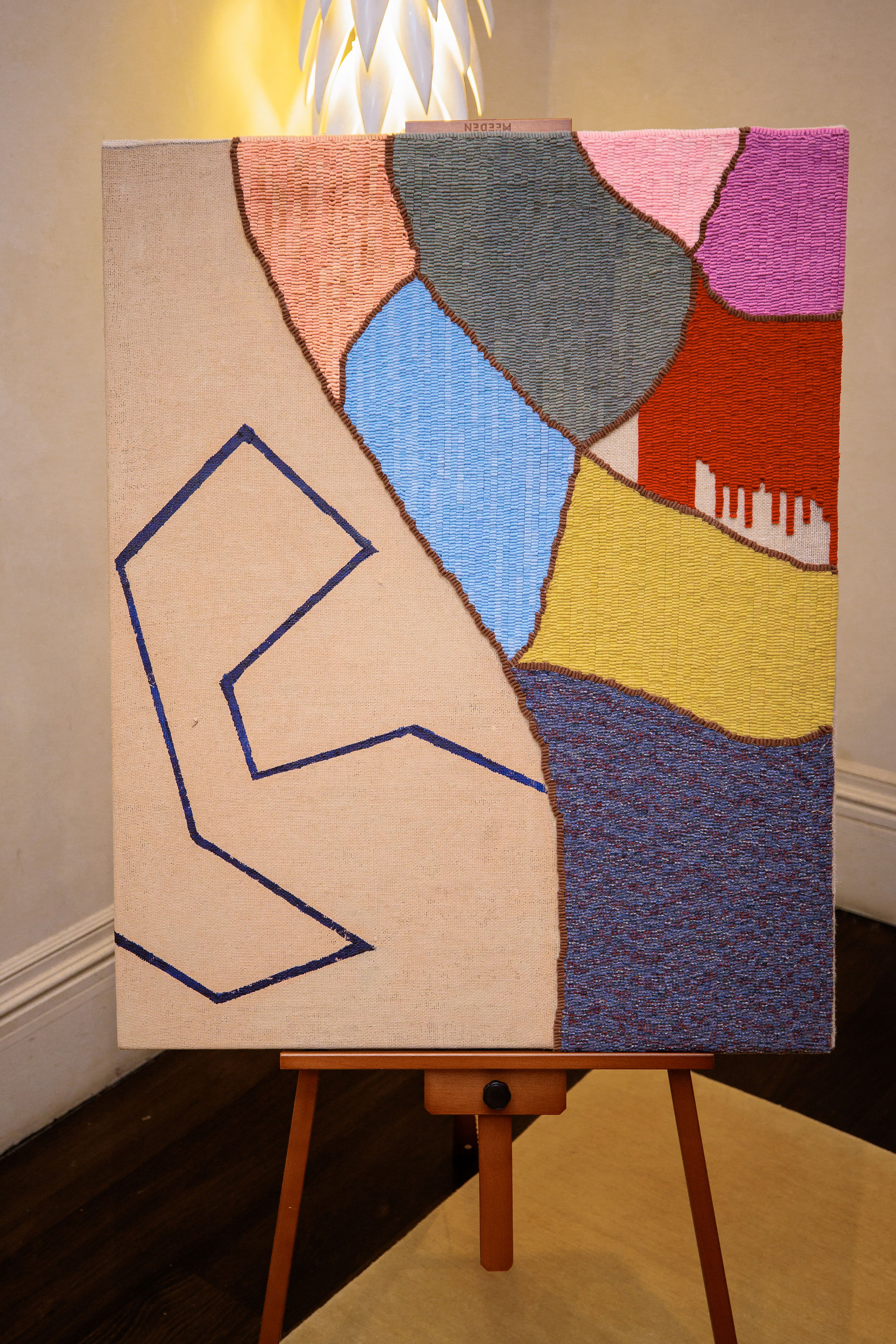
Pictured with work by Shezad Dawood: Lexie Rodriguez, Evan Kwee, Maria Sukkar, Shezad Dawood, and Darius Sanai

“I was honoured to chair the jury of the inaugural Patina Art Residency, a meaningful initiative that champions artists at a defining stage in their journeys. Their work, rooted in such attentiveness to our world, moved me profoundly and filled me with hope.”

– Maria Sukkar

Follow LUX on Instagram: @luxthemagazine

“Serving on the Patina Art Residency jury has been an honour. Each shortlisted artist revealed a fearless ability to push boundaries through bold experimentation, offering works that both challenge and connect. Together, they remind us of art’s enduring power to reimagine the world and make much needed change through vision, courage and possibility.”

– Sana Rezwan

Evan Kwee, on the right, is from the owning family of Pontiac Land in Singapore; the group also owns the Patina and Capella hotel groups. To his right is Maria Sukkar, our host for the night

“Art has the power to spark awareness and dialogue around the most urgent environmental challenges we face today. Supporting artists through initiatives like the Patina Art Residency ensures that creativity and responsibility go hand in hand.”

– Hubert Bonnet

“What moved me most was the energy and freedom of the artists. The works did not just tell stories but opened up spaces – fluid worlds that shifted our perception. For me, it was a powerful signal of how vibrant and relevant contemporary art is today.”

– Sarah von Boetticher

Warly Tomei, Azia Chatila, Ilaria Ferragamo and Véronique Namy

“It’s an honour to be invited to be a judge for the Patina Art Residency. Ocean health is of utmost importance, not just to the region but also to the global ecosystem, and the quality of submission is a testament to the impact this project is creating.”

– Alan Lo

Read more: Rachel Verghis interviews Sam Falls

“The Patina Art Prize stands out this year as one that highlights the importance of addressing issues of sustainability, in a world where that faces significant political challenges just recently in that regard. One should commend all the brilliant artists that have taken part this year and the excellent artwork they’ve produced surrounding this subject.”

– Christian Levett

Darius Sanai, Maria Sukkar, and Dr Paul Ettlinger

“Art brings people together, engages their creative side and allows reflection and solace. To bring together leading art patrons to support art and artists at Patina is a great privilege, and a testament to the vision of Patina’s owners.”

– Darius Sanai

Read more: Spirit Now London acquires works for National Portrait Gallery at Frieze

“It was a fascinating and deeply inspiring experience to serve as a judge for the Patina Art Residency. The artists’ works truly captured our evolving bond with the natural world.”

– Ilaria Ferragamo

Woven work by Shezad Dawood

“Art is not mere adornment but a potent catalyst, serving as a nexus for discourse, bridging divides and uniting industries in shared purpose. This prize truly stands as a model for how targeted cultural initiatives can drive systemic change and interdisciplinary synergy. This convergence transforms passive appreciation into active stewardship, inspiring artists and audiences to collectively champion the preservation of our planet’s vital marine ecosystems.”

– Masha Nosova

The next edition of the LUX / Patina Art Residency will choose an artist to visit and create works at Patina Osaka, in Japan.

Share:
Reading time: 3 min

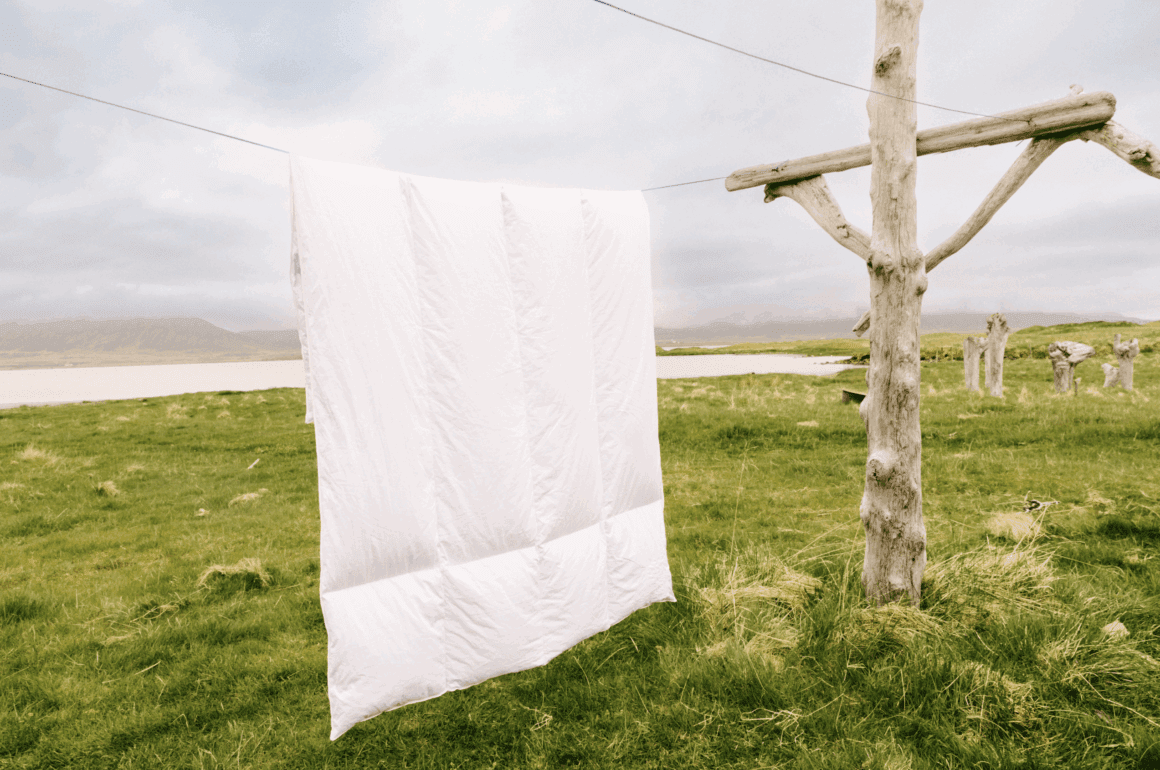
“I always sleep with a duvet as I like feeling some weight on me, but it’s always been tricky to find one that has the right weight without causing me to overheat. This one is the perfect balance. It breathes as well as insulates. Magic.” – Constance Jaeggi O’Connor, photographic artist

If luxury is now about craft and artisanship, and sleep is one of the ultimate luxuries, then everyone needs to get to know Binith Shah’s Umō Paris and its sustainable, ethereal duvets

Follow LUX on Instagram: @luxthemagazine

In an era when celebrated luxury brands are selling increasingly mass-produced goods to millions of people, where do you connoisseurs of true luxury go? Towards craft, towards artisans with a niche focus on thoughtful quality combined, ideally, with a responsibility to the planet in creating products that do not harm it.

The company’s Eider ducks living freely in a protected area of Iceland

This nod towards “natural capital” – a term that will be familiar to readers of our sustainability-special sections in LUX – in combination with a relentless pursuit of the highest possible quality has been applied to a few different sectors, from champagne to clothing.

Read more: Linder through the highball glass

And now it’s being applied to arguably one of the most important yet neglected areas of everyone’s lives: sleep.

A portrait of Binith Shah, Umō Paris founder and CEO

Binith Shah, an entrepreneur based in Paris, wants to ensure that you get the best possible night’s sleep, whether that’s at home, on your holidays or on your plane. He is doing so by creating the world’s most luxurious duvets, with luxury defined not in how ornate they are but by sheer quality of product – and its sustainability.

Umō Paris duvets are made from the down of Eider ducks who roam freely in the wilds of a sanctuary in Iceland (umō means down in Japanese). The female Eider naturally moults the down from her breast plate, and it is gently gathered from her nest. The duvets are then hand-stitched by craftsmen in Chablis, France.

The Eider duck wing motif that features on each duvet

Availability is bound by nature itself: the rare Eiderdown, gathered once a year in limited supply, defines the exclusivity of Umō’s work. But as the testimonials from customers here show, it might be the most important purchase you had never thought of making.

Read more: Inside Milan with Francesco Maccapani Missoni

Next up, Shah wants to expand the positive energy he is bringing to other areas of the world of sleep. More anon and sweet dreams in the meantime.

A specialist artisan prepares the Eiderdown ready to make Umō Paris duvets in Chablis, France

“I always sleep with a duvet as I like feeling some weight on me, but it’s always been tricky to find one that has the right weight without causing me to overheat. This one is the perfect balance. It breathes as well as insulates. Magic.”

umo-paris.com

Photography by Constance Jaeggi O’Connor

Share:
Reading time: 2 min

Rachel Verghis, founder of VerghisArt, photographed through the highball glass by Linder, an artist known known for her photography, radical feminist photomontage and performance art

At a recent salon in the London home of Rachel Verghis to celebrate her solo show at the Hayward, Linder Sterling took pictures her style, grabbing a highball glass from the bar to shoot her subjects through

Follow LUX on Instagram: @luxthemagazine

Linder is the former punk whose artwork rang out on the cover of the first single by the legendary Buzzcocks. She has since become one of Britain’s most enduring artists, working in a variety of media, always championing feminism, always outraged at the patriarchy, always countercultural.

Behind the scenes of Linder photographing Philip Colbert through the highball glass

A self portrait by Linder

Dina Kamal Marchant, by Linder

Sigrid Kirk, by Linder

Linder and Rachel Verghis photographed together, with her work in Verghis’ collection

Share:
Reading time: 1 min

The Fondation Cab building, which offers guest rooms alongside contemporary art

The south of France and Monaco are becoming among the hottest destinations in the art world, literally as well as metaphorically. The scenic region, once a celebrated home to artists and patrons, has seen a new influx of foundations, private museums, philanthropists and collectors who are supercharging the Riviera vibe. Here, four leading lights from the area, Simon de Pury, Marie-Laure de Clermont-Tonnerre, Christian Levett and Catherine Loewe present the inside track of what’s “ouf” between Marseille and Menton

Follow LUX on Instagram: @luxthemagazine

Fondation Cab, Saint-Paul de Vence

With views over the Cap d’Antibes peninsula, the Riviera branch of Hubert Bonnet’s Fondation Cab houses a minimalist and conceptual contemporary art collection and offers seasonal exhibitions and artist residencies, all in a restored modernist site.

Quatre couronnes circulaires entremêlées, 2020, by Felice Varini, from the Fondation Cab collection

“My friend Hubert Bonnet was always passionate about architecture, art and design. His Fondation Cab was born from his desire to support artistic creativity and become a source of inspiration. In 2021, the foundation opened a second location in Saint-Paul de Vence. It is a must see in the area! I love the renovation of this 1950s’ house by the architect and interior designer Charles Zana and the beautiful Maison Prouvé in the garden.”

– Marie-Laure de Clermont-Tonnerre

Mater Earth, 2023, by Prune Nourry, on the Château La Coste estate

Château La Coste, Puy-Sainte-Réparade

The historic organic vineyard near Aix-en-Provence inaugurated an art and architecture park, established by Paddy McKillen, in 2011, as well as a hotel and restaurants.

Read more: Inside Milan with Francesco Maccapani Missoni

The Oscar Niemeyer Pavilion, conceived by the architect between 2010 and 2013, and unveiled in 2022 in a vineyard on the Château La Coste estate

“The sculpture garden at Château La Coste is a wonderful and unforgettable experience. At the entrance by Louise Bourgeois’s Crouching Spider is the start of an Art and Architecture Trail, which winds through the hills and vineyards of the estate. Designed by Tadao Ando, the art centre reveals a meticulous attention to materials and textures, and blends seamlessly into its surroundings. Other architectural pavilions, such as those by Renzo Piano and Oscar Niemeyer, are also worth a visit.”

– Marie-Laure de Clermont-Tonnerre

The 1960s Dragon Hill building, designed by Jacques Couëlle along ecological lines

Dragon Hill, Mouans-Sartoux

The pioneering art residency, founded by London gallerists Jonny Burt and Joe Kennedy, is located on a mountaintop above the village of Mouans-Sartoux, near Cannes. Curators, academics, patrons and collectors are welcomed for visits by appointment.

Read more: A tasting of top Napa Cabernet Sauvignons with Paul Hobbs

A sculpture by Claudia Comte on the Dragon Hill grounds

“Dragon Hill’s dreamy Riviera villa designed by visionary architect Jacques Couëlle is a place one never wants to leave. It is a retreat for artists and writers to revel in the natural beauty, tranquillity and cultural legacy that this part of the world is famed for. I am excited to be curating a special exhibition there for two brilliant women with strong ties to the region, Maryam Eisler and Nicole Farhi.”

– Catherine Loewe

Villa E-1027 is set before Le Corbusier’s Le Cabanon on the Riviera coast

Eileen Gray Villa E-1027, Roquebrune-Cap-Martin

Built in the 1920s and overlooking a small beach beneath a dramatic coastal path, Gray’s villa was fully restored in 2021. The site can be visited from April to October by guided tour and prior booking only.

Read more: A sojourn in Egypt

The furniture was designed for the space by Eileen Gray

“E-1027, the iconic Eileen Gray modernist villa built between 1926 and 1929 in Roquebrune-Cap-Martin and lovingly restored by Michael Likierman is the perfect destination for a hike along the sea from Monaco.”

– Simon de Pury

The Abstract Expressionist Gallery at Famm

Famm, Mougins

Founded by collector and LUX Contributing Editor Christian Levett, Femmes Artistes Musée Mougins (Famm) opened in 2024 in an historic village near Cannes. The collection, which unfolds across four floors, features artists including Berthe Morisot, Nan Goldin and Jenny Saville. The museum can be visited year round.

Read more: Arch Hades in conversation with Catherine Loewe

Les fils du roi, 1906, by Jacqueline Marval, from the Famm collection

“One of the interesting things about having a museum in the south of France is it’s a place where things are happening: Luma and Cab are fairly recent, Carmignac only opened eight years ago. You have Domaine du Muy, owned by Jean-Gabriel and Edward Mitterrand, near Saint-Tropez – another sculpture park in the area. And there’s Dragon Hill as well, open to private tours by collectors and curators.”

– Christian Levett

A Maeght gallery, designed by Silvio D’Ascia and opened in 2024, was conceived to complement the original architecture by Josep Lluís Sert

Fondation Maeght, Saint-Paul de Vence

The renowned foundation was founded in 1964 by Marguerite and Aimé Maeght, friends of the most important artists of their time who left their mark on the building and its extensive gardens. Temporary exhibitions include Ellsworth Kelly, from June to November 2026.

The sculpture garden, including two Personnage sculptures, 1970 and 1972, by Joan Miró

“I am always very enthusiastic about the idea of returning to this magical place, nestled among pine trees and bathed in light. Stroll through the sculpture garden, where you encounter Miró, Giacometti or Calder, then enter the museum to admire Chagall, Braque and so many others. A timeless gem that merges art, nature and architecture.”

– Marie-Laure de Clermont-Tonnerre

Read more: The heart of London’s art circuit at the Royal Academy

An exhibition view of Couleurs! Chefs d’oeuvre du Centre Pompidou, 2025 at the Grimaldi Forum

Grimaldi Forum, Monaco

Inaugurated in 2000, with an extension by Alexandre Giraldi and Patrick Raymond in 2025, the 35,000 square metre waterfront site hosts exhibitions, performances and concerts all year round.

An exhibition view of ‘Monet et la Riviera’, 2023, at the Grimaldi Forum

“Under the lead of Sylvie Biancheri, the Grimaldi Forum in Monaco has been reliably churning out one blockbuster show after another. Its flexible interior is any curator’s dream.”

– Simon de Pury

Krauses Gekröse, 2011, by Franz West at Luma’s Parc des Ateliers site

Luma, Arles

Established in 2013 by founder Maja Hoffman and featuring architecture by Frank Gehry, the singular vision for Luma includes exhibitions of multidisciplinary art and programmes supporting engagement with creative ideas and social issues.

Isometric Slides, two 12-metre-high slides in the Tower building, 2021, by Carsten Höller

“With Luma Arles, Maja Hoffmann has founded the ultimate publicly accessible research laboratory combining art and science. Besides which, she is the cultural dynamo responsible for the Fondation Vincent Van Gogh and for Les Rencontres d’Arles de la photographie.”

– Simon de Pury

Share:
Reading time: 6 min

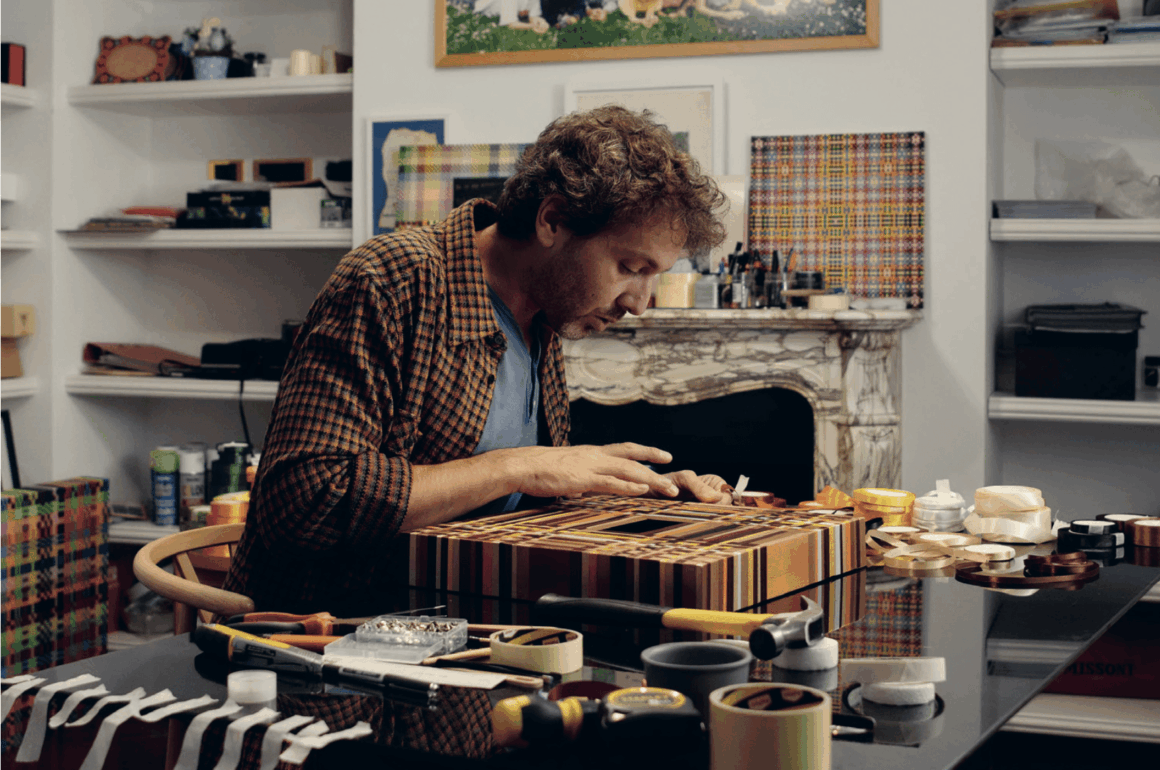
Francesco Maccapani Missoni at work in his Milan studio

The artist, author, entrepreneur and scion of the Italian luxury fashion house opens his address book on Milan, garden cities, inspiration and his art

LUX: Where should an artist visit in Milan?

Francesco Maccapani Missoni: Three galleries: Spazio Maiocchi, in via Achille Maiocchi; Spazio MMXX, in via Donatello; and Matta, in via Privata Giacomo Favretto. All these have the best underground and alternative art vibes.

Follow LUX on Instagram: @luxthemagazine

LUX: Where do you go to in Milan to be seen?

FMM: Bar Basso, in via Plinio, a classic bar where you must have the “mistaken” Negroni, the Negroni Sbagliato, invented there in the 70s. Then there’s SottoSotto on the corner of via Albertini and via Paolo Sarpi, which has a great food and wine selection. And, of course, Camparino on Piazza Duomo.

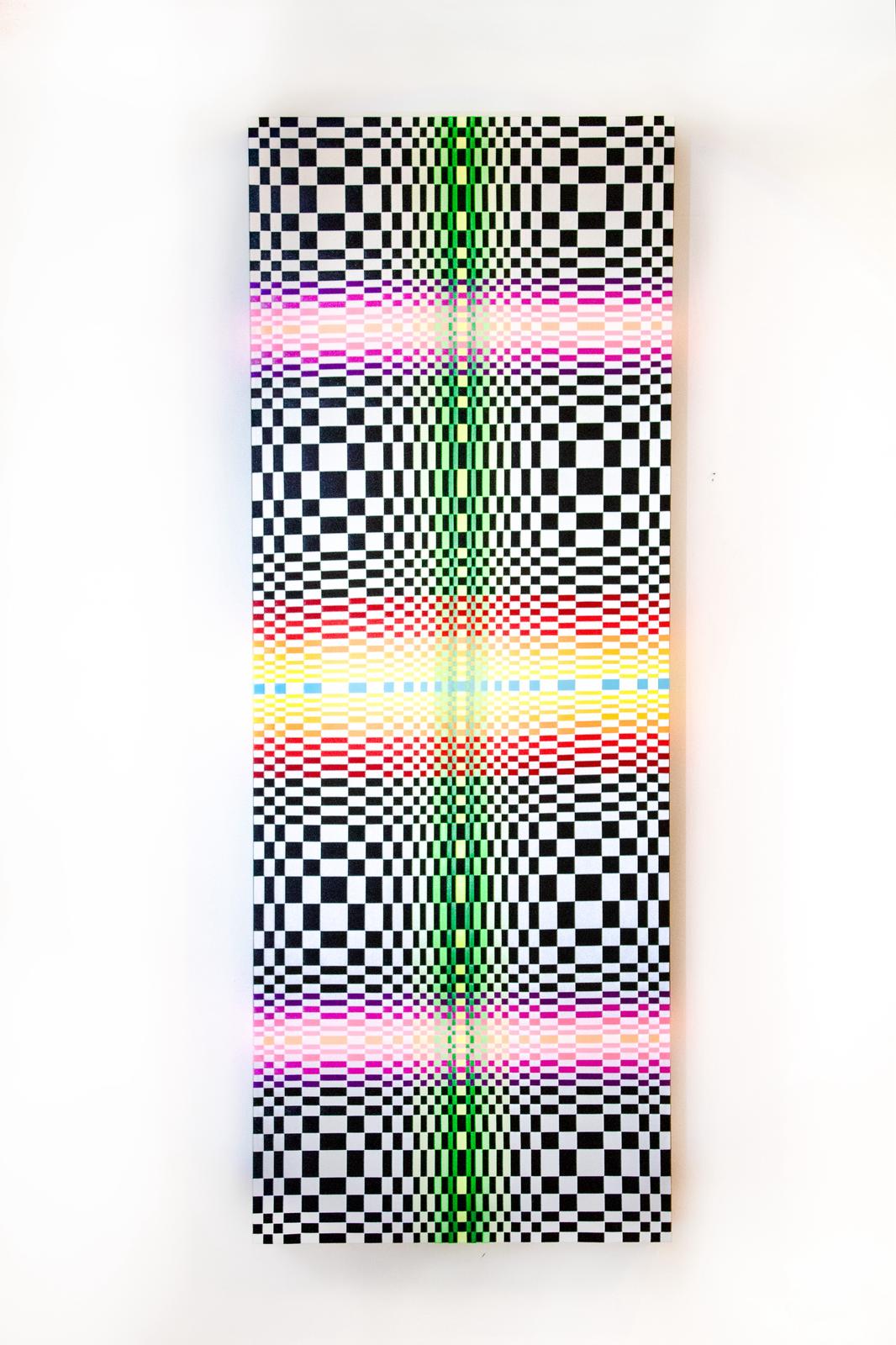
Optical Dissuasions, by Francesco Maccapani Missoni

LUX: And where do you go to not be seen?

FMM: I stay home.

LUX: Is the influx of global wealth to Milan a good thing?

Read more: A tasting of top Napa Cabernet Sauvignons with Paul Hobbs

FMM: No! Wealth makes things impersonal and inhuman.

LUX: Where can a visitor to the city find the best Milanese food?

FMM: Trattoria Masuelli San Marco, in viale Umbria, for the milanesine di vitello and risotto alla milanese; Trattoria Milanese dal 1933, in via Santa Marta – you must have the risotto al salto; and Al Matarel, in via Solera Mantegazza – ask for the rustin negàa, it’s the original cotoletta.

Aiming for Love, by Francesco Maccapani Missoni

LUX: What’s the best day trip from Milan?

FMM: Varese, my home town. It’s called la città giardino, or the garden city.

LUX: Where do you go to be inspired?

FMM: I don’t go anywhere for inspiration for my art. Any place can bring ideas.

Read more: A sojourn in Egypt

LUX: The most overrated part of Milan?

FMM: The quadrilatero shopping area: Manzoni, Montenapoleone… Predictable.

LUX: How has Missoni inspired your work?

FMM: That’s easy. I have grown up in a world of patterns and colours. They are in my spine.

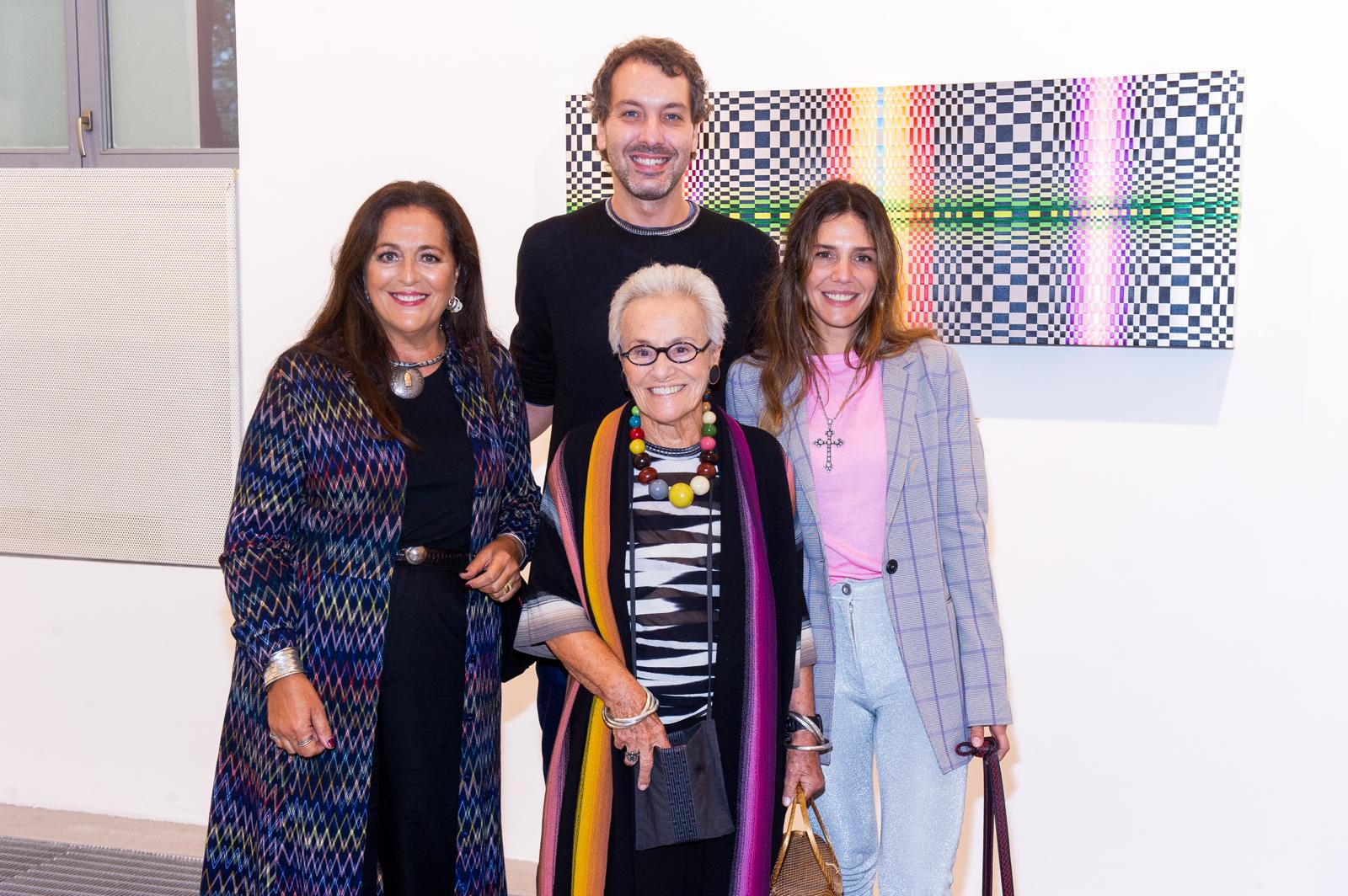
Missoni with his mother Angela, grandmother Rosita and sister Margherita

LUX: What are your favourite places to see contemporary art in Milan?
FMM: Fondazione Prada and Pirelli Hangar Bicocca. They are simply the two best spaces to see art, especially big exhibitions.
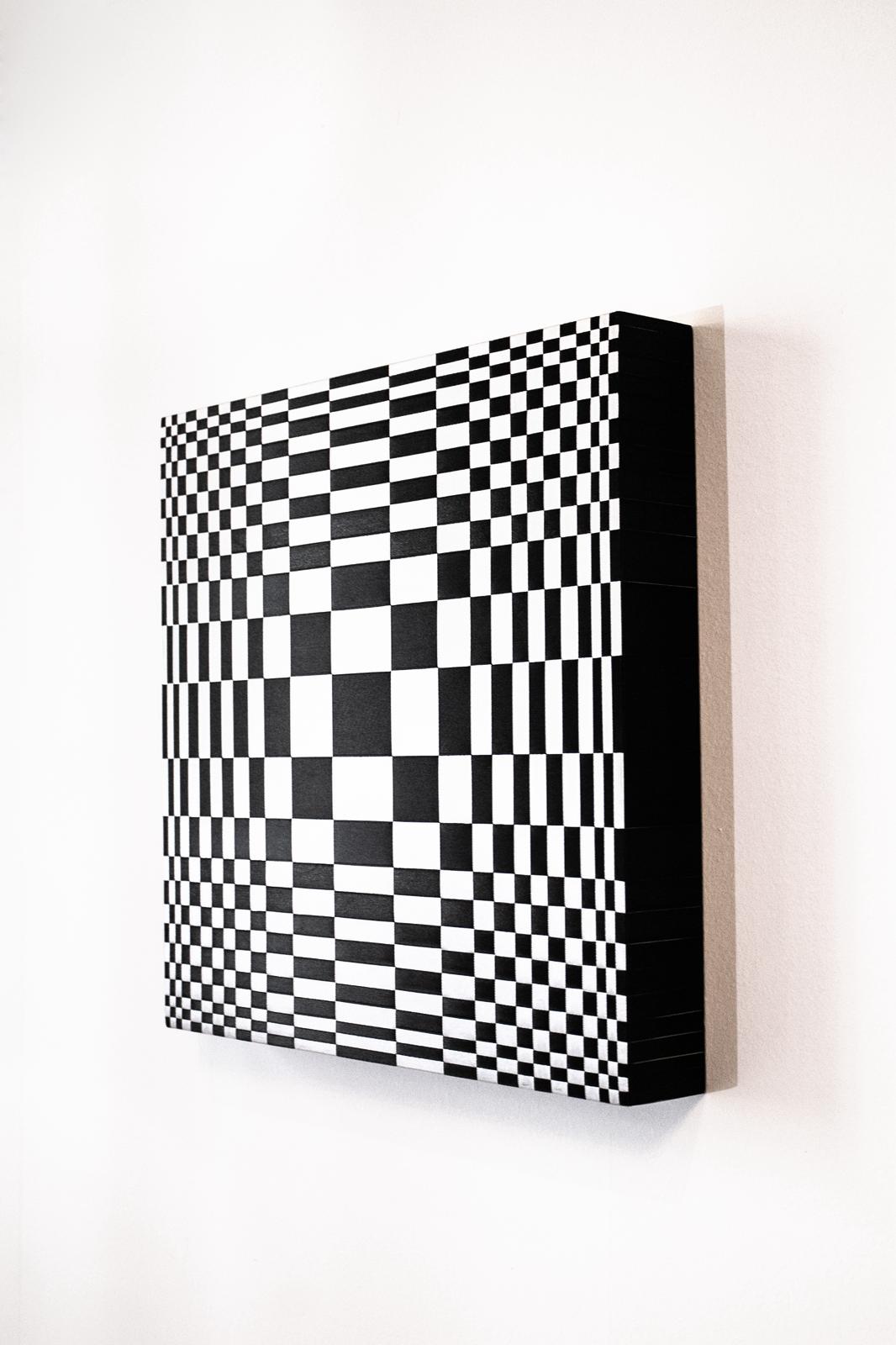
LUX: What’s a secret city gem that you love?

FMM: Naviglio della Martesana. It’s a 40km-long canal, worth visiting for its quiet and picturesque atmosphere. The towpath is perfect for walking, running or cycling, away from the chaos and smog of the city.

LUX: What’s next for you and your work?

FMM: I’ve several projects I’m excited about. In Venice, we are talking about an exhibition with other artists during the Biennale. Then Bodrum for the summer. For September I’ve been invited to Parallel Vienna, an annual contemporary art fair in Vienna. And, well, there might be something big in October/November in Istanbul. Watch this space.

fmmarts.com

Share:
Reading time: 2 min

Paul Hobbs, one of the most celebrated names in the world of wine, photographed in one of the Paul Hobbs Wines vineyards

Paul Hobbs has been a leader in the wine world for decades, so much so that his eponymous wines now have a brand that shines independently of the man. LUX gets together with Hobbs himself for a conversation and tasting of his top Napa Valley Cabernet Sauvignons, sourced from particular vineyard sites

Paul Hobbs is a wine world legend, so much so that one might be surprised that he can be interviewed. Like Louis Vuitton for fashion or Henri Jayer for Burgundy, he is surely a name, not a person.

Follow LUX on Instagram: @luxthemagazine

But Hobbs, one of the founding team of Opus One and maker of some of North America’s legendary cabernet sauvignons, pinot noirs and chardonnays, is very much alive, well, and on a Zoom with LUX.

Paul Hobbs foster a range of vineyards that stretch across the Russian River Valley, West Sonoma Coast, and Napa Valley

He is a strict, precise interviewee – not someone you feel who would suffer fools or who has much time for small talk. “Wine was not on my radar when I was growing up,” he says in response to a question about whether wine was in his blood like it is with so many other wine legends. He explains that he grew up on a farm in rural New York and it was only when his father took him to visit one of the nascent wineries (then becoming famous for Riesling) in the scenic Finger Lakes area that his interest awoke.

Still, he intended to be a medical doctor – something easy to imagine him as, with a thoroughness of air – but was eventually seduced by wine, even writing a doctorate on the attributes of different oak barrels at America’s Sorbonne of wine: University of California at Davis.

The flagship Nathan Coombs Estate in the Napa Valley, named after the founder of the City of Napa

His scientific background “gave [him] an advantage” over others starting out in the wine industry, he believes, and this rigour stands out in the current precision of production of some of the world’s greatest Cabernet Sauvignons from single vineyard sites in the Napa Valley, which we proceed to taste together.

Read more: A sojourn in Egypt

Hobbs is not an outwardly emotional man but says he is “proud to be at the leading edge” of what he does, setting standards and creating concepts that others aspire to – and he has now done so for decades.

A bottle of the 2021 Nathan Coombs, described by Editor-in-Chief Darius Sanai as a ‘dormant volcano’

Tasting notes by Darius Sanai

2021 Nathan Coombs

From a (relatively) cooler part of Napa, this tasted like a dormant volcano in the best way. Power and might and richness, but with a kind of geological precision to it. One to drink at Arzak over roe deer loin, black trumpet leaves and mushrooms

2021 Beckstoffer Dr. Crane

This is a wine to toast a billion dollar deal with, from your mansion above Montecito. Endless in its flavours and layers, it is also a wine for the ages, and if you’re a confident investor in a California longevity company we would suggest cellaring it for the next 100 years and enjoying it in 2126.

Paul Hobbs with his attention to detail in the vineyard

2021 Las Piedras

This is a cult wine for many collectors in the US, and tasting it for the first time, I wanted to be in the LUX mountain hideaway above Aspen (still in planning stage) with three poets and four artists, pondering every savoury, mountain-tinged sip in the forest.

Read more: Arch Hades in conversation with Catherine Loewe

2021 Beckstoffer To Kalon

To Kalon is a vineyard in the Napa Valley known to many as the Chateau Latour of Napa, or perhaps its should be known as the Grands Echezeaux, as wine is made from it by a few producers. This wine is as long as the sky, and we would drink it now either with our last meal, or at dinner with Anne-Sophie Pic (herself) in the rookery of an Umbrian castello, in late autumn, after a rain shower, over a six-course menu she rustled up in the 13th-century kitchen.

paulhobbswinery.com

Share:
Reading time: 3 min
Page 2 of 1611234102030...Last »