


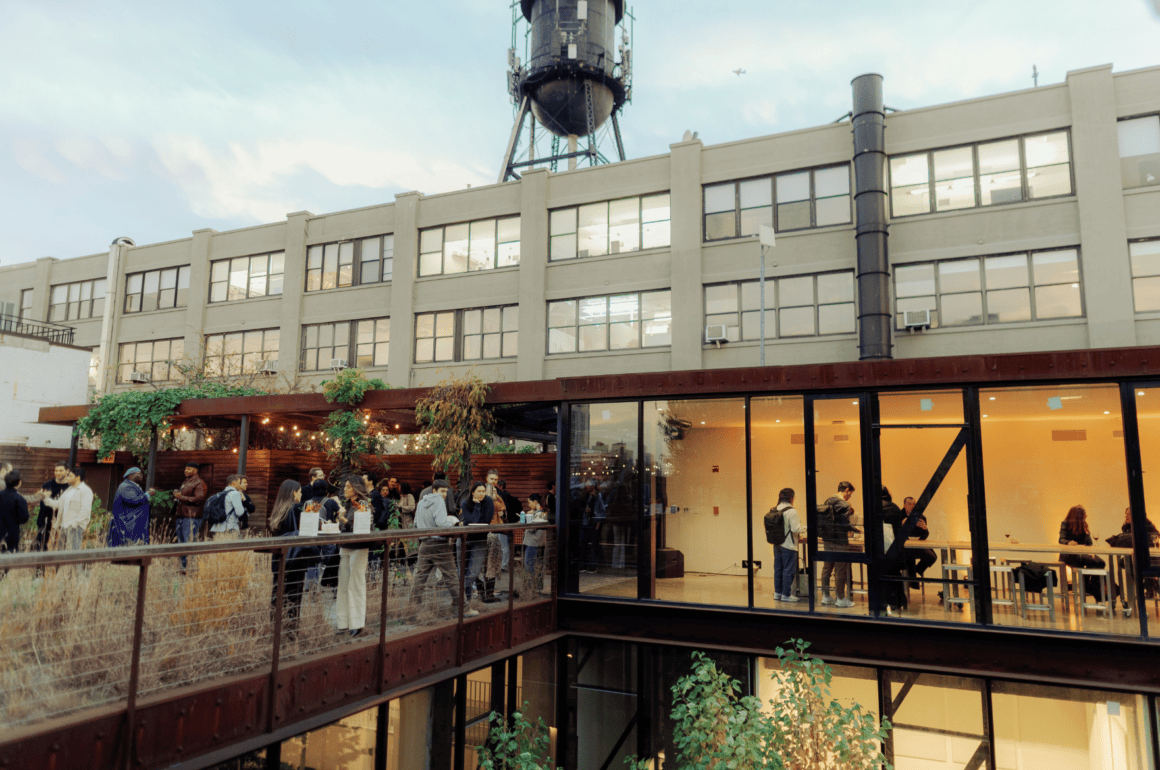
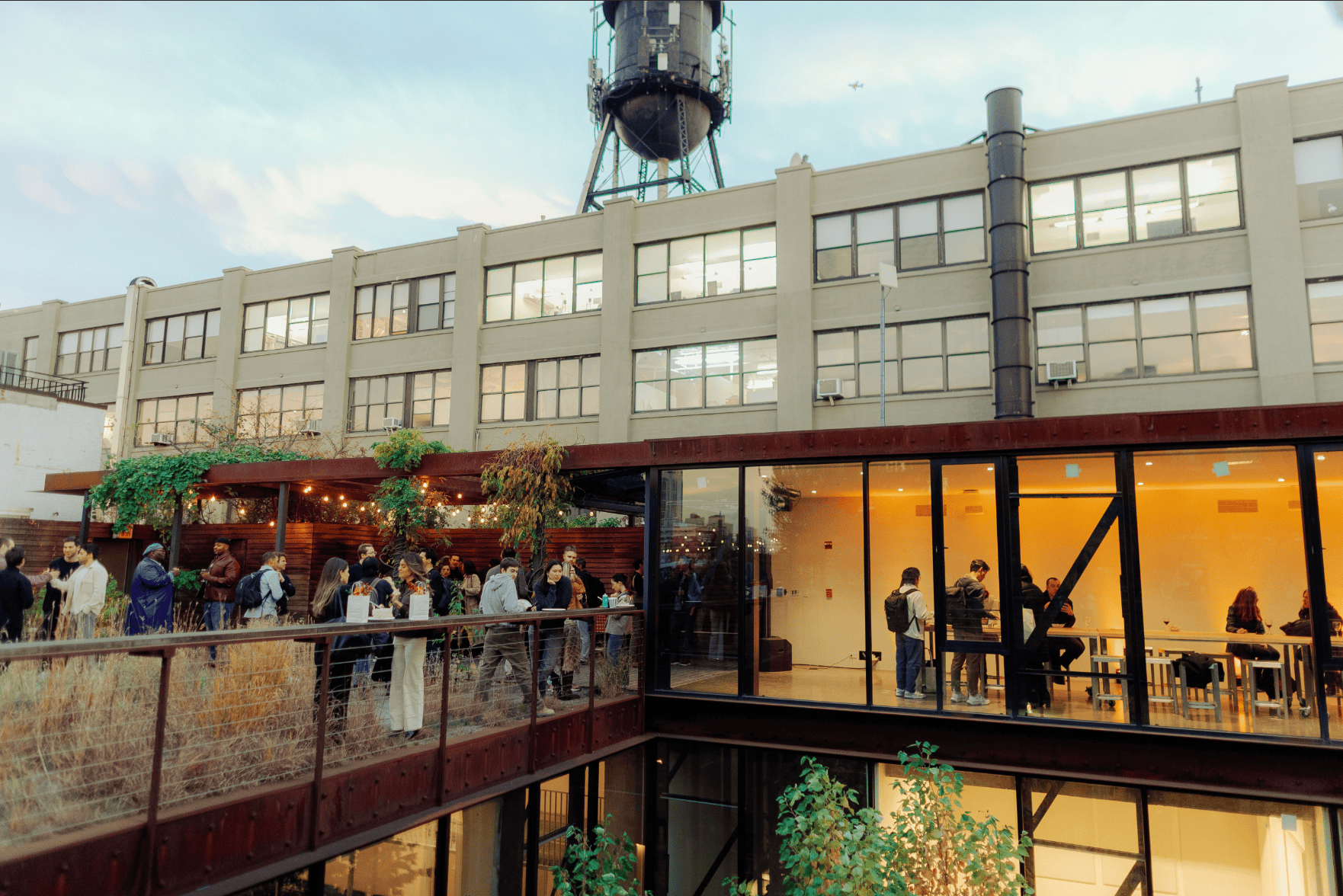
The launch of The Lighthouse, Brooklyn, which provides a creative campus and studio playground for the creator generation
Neil Waller is co-founder and co-CEO of Whalar, a company that started in 2016 as an agency for social-media infuencers and has now become a cornerstone of the nexus of luxury and social media. He speaks to LUX about how creators and influencers are helping shape the future of the luxury experience
LUX: What does Whaler Group do?
Neil Waller: We focus on shaping the future of the creator economy. My co-founder and co-CEO, James Street, and I explore opportunities that aren’t obvious yet by pushing ideas, testing bold bets and bridging the future with today’s reality. James looks 24 months out, exploring what’s next; I focus six to 18 months ahead, turning those innovations into actionable strategies.
Follow LUX on Instagram: @luxthemagazine
Our teams across the ecosystem turn the ideas into action, building the programmes, products and partnerships that creators and brands need. In short, we spot what’s next, help make it happen, and keep the business moving forward fast, creatively and a little ahead of the curve.
LUX: How have you stayed ahead of the game?
NW: Proximity to creators is our greatest advantage. That closeness gives us early insight into shifts in culture, platforms and monetisation, often before they’re obvious to the wider market. This agility allows us to anticipate change, move quickly and evolve alongside the creator economy, rather than react to it.

A portrait of Nick Waller, the co-founder and co-CEO of Whalar Group
LUX: Has Whalar Group helped create the new social-media marketing landscape?
NW: I remember when brands questioned if they even needed to be on Instagram, let alone invest in creators. Today, creator-led campaigns are multimillion-dollar, multi-platform initiatives integrated into the heart of brand strategy, spanning short-form, long-form and cultural activations. I’d like to think we’ve played a meaningful role in shaping today’s social-media marketing landscape and contributing to its growth in scale and sophistication.
LUX: How can luxury brands best benefit from social media now?
NW: Luxury brands today are moving beyond old top-down messaging to become culturally relevant, community-driven brands that reflect how modern luxury is experienced. Opportunity lies in honouring heritage while interpreting it through a contemporary lens, aligning legacy with the expectations of today’s audiences.
Brands like Jacquemus, Burberry and Loewe do this beautifully, approaching social and content with an entertainment-first mindset to capture hearts and reach broader, more value-driven audiences. These consumers spend half their watch time online with creators who make content for not to them, delivering experiences that resonate deeper than traditional ads, and are organically shared, discussed and remixed.
Creators enable luxury brands to speak to global audiences through diverse perspectives and lived experience. Brands can highlight craft, longevity and timelessness through culturally relevant storytelling. So don’t be surprised to see the rise of the Chief Entertainment Officer.
LUX: What do luxury brands get wrong?
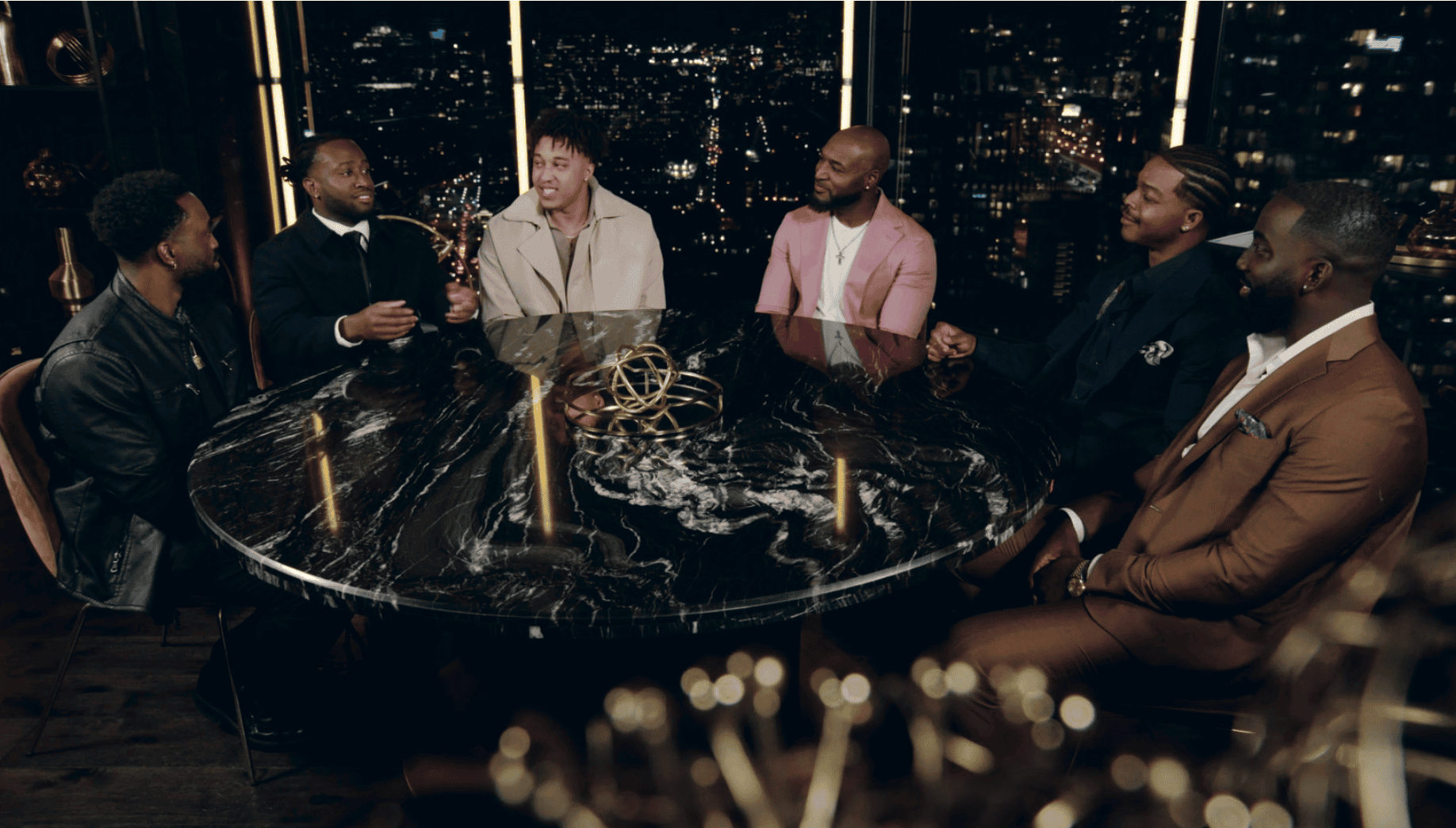
Ontario-based TikTok dance stars and content creators Nathaniel James, Kadeem Hemmings and Nicholas McDonald of Basement Gang on CBC’s The Legacy Lounge
NW: Modern luxury consumers expect a 360° brand experience from goosebump-worthy social content to seamless in-store and online experiences. Some brands fall short in choosing creators based on personal taste, rather than strategy and cultural fit. The brands that win build ongoing cultural operating systems, not one-offs, and work with creators who authentically translate luxury for modern audiences. Online is prime time, so brands investing in creators over traditional ads can double ROI; those that don’t risk falling behind and losing consumer loyalty.
Ontario-based TikTok dance stars and content creators Nathaniel James, Kadeem Hemmings and Nicholas McDonald of Basement Gang on CBC’s The Legacy Lounge.
Read more: Making art in Palazzo Monti
LUX: What do creators get wrong?
NW: The key to success is clear alignment between creators and brands from the outset. Is the goal building an emotional connection with an audience or driving direct commerce? Both sides need to be explicit about objectives.
Impactful work happens when creators are treated as creative partners, not just distribution channels. We see more next-level collaborations where creators are integral to the brand ecosystem, like Dhar Mann being NFL Chief Kindness Officer. These “magic moments” show the power of integrating creators creatively and strategically. When brands and creators work with respect and shared vision, the result is culturally resonant and commercially effective.
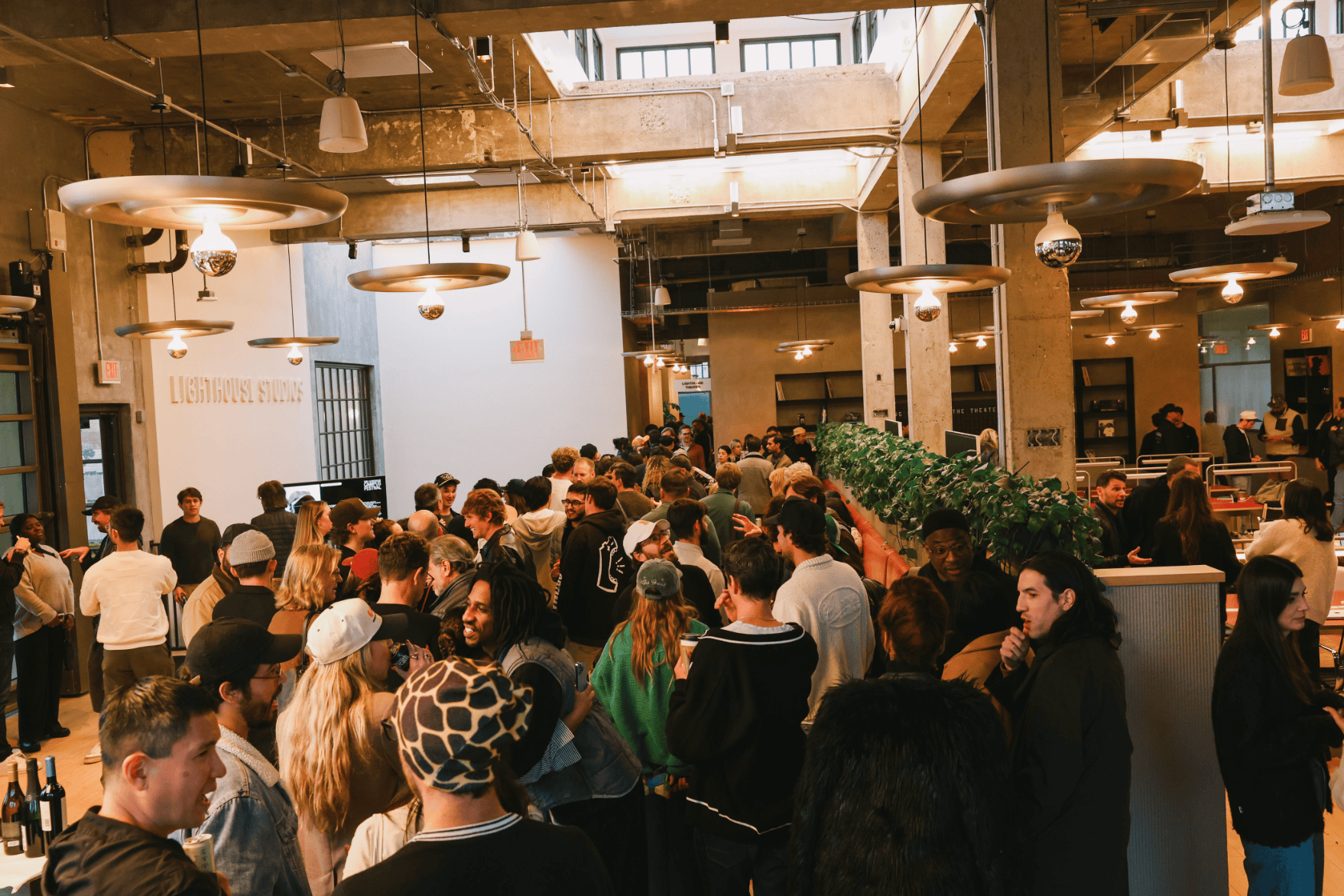
Opening day at The Lighhouse, Brooklyn
LUX: Can you explain The Lighthouse?
NW: It’s Whalar Group’s first creative campus and studio playground for the creator generation, offering a platform to learn, make and belong. With Venice, CA, and Brooklyn, NY already open, it’s designed to empower creators and creative professionals with the space and tools they need to grow their businesses.
Each campus features state-of-the-art, mixed-use content studios and hosts programmes that encourage collaboration, learning and innovation. The Lighthouse gives creators and their teams a place to co-create, connect and lead, helping shape the future of creative culture while expanding their opportunities and capabilities.
LUX: What is your five-year vision?
NW: The most exciting aspect of the creator economy is creators evolving from solopreneurs into media and entertainment companies. They are not just building audiences but enterprises. I want us to be a supporting catalyst and active participant in building that future with creators.
LUX: What’s the greatest challenge with that?
NW: The challenge is maintaining ambition and innovation while ensuring ideas translate into business outcomes. It would be easy to coast, but we strive to keep an innovator’s mindset. Jeff Bezos was told he had “enough ideas to kill Amazon”, and that tension, making sure innovation drives growth, not just excitement, is what keeps the business moving forward.





Recent Comments